
We Have Always Lived in the Castle: A Comprehensive Guide
Finding a “We Have Always Lived in the Castle PDF” requires caution. Numerous sources offer downloads, like PDF Room and file shares, but verifying legitimacy is crucial.
Be aware of potential risks associated with unofficial downloads, and prioritize legitimate sources for a safe reading experience of Shirley Jackson’s work.
Shirley Jackson’s We Have Always Lived in the Castle, published in 1962, remains a chilling and captivating exploration of isolation, family secrets, and societal ostracism. The novel’s enduring appeal stems from its unsettling atmosphere and the uniquely compelling narrative voice of Mary Katherine Blackwood. Readers seeking to delve into this gothic masterpiece often inquire about accessing a “We Have Always Lived in the Castle PDF” for convenient reading.
However, navigating the digital landscape for such downloads requires discernment. While numerous websites claim to offer free PDF versions, caution is paramount. Many sources may harbor malware or provide illegally distributed copies. Legitimate avenues for obtaining the novel digitally, such as authorized ebook retailers, are strongly recommended. Understanding the context of seeking a PDF – accessibility, convenience – is key, but should not compromise ethical considerations or digital safety. The story itself, centering on the reclusive Blackwood sisters, is a haunting tale of trauma and survival.

The Story’s Core Themes
The pervasive desire to access a “We Have Always Lived in the Castle PDF” often overshadows the novel’s profound thematic depth. Beyond the surface narrative of the Blackwood sisters’ isolation, Jackson masterfully explores themes of societal rejection, the corrupting influence of secrets, and the fragility of normalcy. The arsenic poisoning incident and its aftermath fuel the community’s animosity, highlighting the dangers of collective judgment and the power of rumor.
Furthermore, the novel delves into the complexities of family dynamics, particularly the intense, almost symbiotic relationship between Merricat and Constance. The search for a convenient PDF version shouldn’t distract from appreciating Jackson’s nuanced portrayal of trauma and its lasting effects. The Blackwood estate itself symbolizes both protection and imprisonment, reflecting the characters’ internal struggles. Ultimately, the story questions the very definition of sanity and the boundaries between reality and perception, making it a timeless exploration of the human psyche.

Mary Katherine Blackwood: Character Analysis
Mary Katherine, or Merricat, is the captivating and unsettling narrator of “We Have Always Lived in the Castle.” Her unique perspective, often sought in readily available PDF versions of the novel, shapes the entire narrative. Described as a peculiar eighteen-year-old with distinct dislikes – washing, dogs, and noise – Merricat employs magical thinking and rituals to protect herself and Constance from the hostile outside world.
Her character is defined by a fierce loyalty to her sister and a deep-seated resentment towards the villagers who ostracized her family. While seemingly childlike, Merricat possesses a cunning intelligence and a willingness to resort to extreme measures to maintain her secluded existence. The ease with which one can now find a “We Have Always Lived in the Castle PDF” shouldn’t diminish the complexity of her psychological state, born from trauma and isolation. She embodies both vulnerability and a chilling sense of control.
Constance Blackwood: Character Analysis
Constance Blackwood exists as a spectral figure within the confines of Blackwood Manor, a central element often explored when accessing a “We Have Always Lived in the Castle PDF.” Unlike her sister Merricat, Constance is largely passive, seemingly paralyzed by the trauma of the arsenic poisoning that decimated their family. She is described as beautiful and ethereal, yet remains emotionally detached and reliant on Merricat for almost all interaction.
Constance’s character embodies the lingering effects of trauma and the loss of agency. While Merricat actively defends their isolated world, Constance retreats into a quiet, almost catatonic state. The readily available PDF copies of Shirley Jackson’s novel allow readers to closely examine the subtle nuances of her behavior, revealing a woman haunted by the past and unable to fully participate in the present. Her dependence on Merricat highlights a complex and unsettling sisterly dynamic.

The Blackwood Family History
The Blackwood family’s past, meticulously detailed within “We Have Always Lived in the Castle,” and readily accessible through a “We Have Always Lived in the Castle PDF,” is steeped in tragedy and shrouded in local animosity. Before the central events of the novel, the family enjoyed a position of wealth and social standing in the village. However, this status was irrevocably shattered by the arsenic poisoning that claimed the lives of most of its members.
The surviving Blackwoods – Merricat, Constance, and their uncle Julian – become pariahs, ostracized and feared by the community. Exploring the family’s history through digital copies reveals a pattern of isolation and eccentricity, contributing to the suspicion surrounding the poisoning. The Shirley Jackson novel, often found in PDF format, emphasizes how past events profoundly shape the present, creating a claustrophobic atmosphere of distrust and resentment.
The Arsenic Poisoning Incident
The central, horrific event driving the narrative of “We Have Always Lived in the Castle,” and detailed within a readily available “We Have Always Lived in the Castle PDF,” is the arsenic poisoning that decimated the Blackwood family. Six members perished, leaving only Merricat, Constance, and their uncle Julian alive. While Constance was accused of the crime and acquitted, the village never accepted the verdict, fueling their enduring hostility.
Details surrounding the incident, accessible through digital copies of Shirley Jackson’s work, remain ambiguous, largely filtered through Merricat’s unreliable narration. The poisoning serves as a catalyst for the family’s complete isolation and the pervasive atmosphere of paranoia; Examining the event via a PDF version highlights the lingering trauma and the psychological impact on the survivors, shaping their distorted reality and fueling the novel’s suspense.

Isolation and the Blackwood Estate
The Blackwood estate functions as both a physical and psychological prison for Merricat and Constance, a detail vividly portrayed in any comprehensive “We Have Always Lived in the Castle PDF.” Following the arsenic poisoning, the family retreated from the hostile village, becoming increasingly secluded within the imposing walls of their home; This self-imposed exile is central to the novel’s themes.
The estate itself, often described as a “castle,” symbolizes their detachment from society and their clinging to a decaying past. Accessing the story through a PDF allows readers to trace how the grounds become a protective barrier, yet simultaneously reinforce their alienation. The isolation isn’t merely geographical; it’s a deliberate choice, fueled by Merricat’s protective instincts and a deep-seated distrust of the outside world, as revealed within Shirley Jackson’s masterful work.
Setting and Atmosphere
The novel’s setting, a secluded estate in a small, judgmental town, is crucial to its chilling atmosphere, fully realized when exploring a complete “We Have Always Lived in the Castle PDF.” Jackson masterfully crafts a sense of claustrophobia and unease, mirroring the Blackwood sisters’ internal states. The house, referred to as a castle, isn’t grand but decaying, reflecting the family’s fractured history and dwindling fortunes.
A PDF version allows close examination of how Jackson uses descriptive language to evoke a palpable sense of dread and isolation; The surrounding town, hostile and suspicious, further intensifies the oppressive atmosphere. This isn’t simply a backdrop; it’s an active force shaping the characters’ perceptions and actions, as detailed in Shirley Jackson’s gothic masterpiece. The setting is integral to the psychological horror.
Narrative Style and Point of View
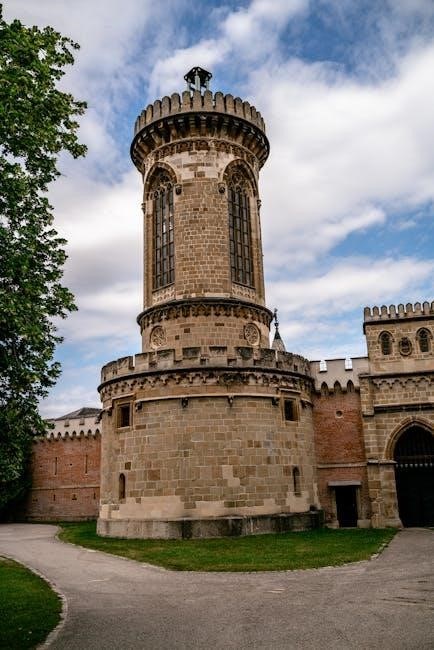
“We Have Always Lived in the Castle” is uniquely narrated by Mary Katherine Blackwood, offering a deeply subjective and unreliable perspective. Accessing a complete “We Have Always Lived in the Castle PDF” reveals how Jackson utilizes this first-person narration to create suspense and ambiguity. Merricat’s voice is childlike yet unsettling, filtering events through her distorted perception of reality.
This narrative choice is central to the novel’s psychological horror, as readers are forced to question the truthfulness of events. A PDF allows for careful analysis of Merricat’s language, symbolism, and omissions. Shirley Jackson’s masterful use of this style creates a claustrophobic and unsettling reading experience, drawing the reader into Merricat’s isolated world and challenging their own assumptions about the story’s events.
Symbolism in the Novel
A comprehensive reading of “We Have Always Lived in the Castle,” readily available through a complete “We Have Always Lived in the Castle PDF,” reveals a rich tapestry of symbolism. The Blackwood estate itself, often referred to as “the castle,” represents isolation, protection, and the family’s decaying past. Examining a PDF version allows for detailed tracing of recurring motifs.

Furthermore, the novel employs potent symbolism through food and rituals. Merricat’s protective charms and carefully prepared meals symbolize her attempts to control her environment and ward off external threats. Accessing the full text via Shirley Jackson’s work in PDF format highlights how these elements contribute to the novel’s themes of paranoia, societal rejection, and the struggle for autonomy within a restrictive world.
The Castle as a Symbol
Within “We Have Always Lived in the Castle,” readily accessible through a complete “We Have Always Lived in the Castle PDF,” the Blackwood home functions as a powerful symbol. It’s not merely a residence, but a fortress representing the family’s self-imposed isolation from a hostile outside world. A detailed PDF version allows readers to trace the castle’s physical deterioration mirroring the family’s moral and social decline.
The castle’s imposing structure and secluded location embody both protection and imprisonment. It shields Merricat and Constance, yet simultaneously confines them, fostering a distorted reality. Studying the novel via a Shirley Jackson PDF reveals how the castle symbolizes the Blackwoods’ attempt to preserve a decaying way of life, clinging to the past while rejecting societal norms and facing judgment.
The Use of Food and Rituals
A comprehensive “We Have Always Lived in the Castle PDF” reveals Shirley Jackson’s masterful use of food and rituals to underscore the Blackwood sisters’ fractured psychological state and their desperate attempts to control their environment. Merricat’s meticulous, almost magical, rituals surrounding food – protecting the garden, preparing meals – are central to her worldview, offering a sense of order in a chaotic world.
These rituals, thoroughly detailed within a readily available PDF copy, aren’t simply about sustenance; they are acts of defiance and self-preservation. The selective consumption and symbolic significance of food, like the death cup mushroom mentioned in online discussions, highlight themes of poisoning, both literal and metaphorical. Examining these elements through a digital Shirley Jackson text demonstrates how food and ritual become tools for Merricat to ward off external threats and maintain her fragile reality.
Critical Reception and Literary Significance
Accessing a “We Have Always Lived in the Castle PDF” allows readers to understand why Shirley Jackson’s novel continues to resonate with audiences and critics alike. Initially met with mixed reviews upon its 1962 publication, the novel has since been recognized as a landmark achievement in gothic and psychological horror.
Contemporary analysis, easily found when studying a digital PDF version, highlights Jackson’s innovative narrative style and her exploration of themes like alienation, paranoia, and societal judgment. The novel’s enduring literary significance stems from its unsettling portrayal of a dysfunctional family and its critique of small-town America. Online resources confirm its place on numerous “best of” lists, solidifying its status as a modern classic. A downloadable Shirley Jackson text facilitates deeper engagement with its complex themes and lasting impact.
Adaptations of “We Have Always Lived in the Castle”
While a readily available “We Have Always Lived in the Castle PDF” provides access to the original text, adaptations offer alternative interpretations of Shirley Jackson’s chilling narrative. Notably, a 2018 film adaptation directed by Stacie Passon brought the Blackwood sisters’ story to the screen, starring Alexandra Daddario as Merricat.
However, finding a high-quality PDF version of the novel remains a popular choice for detailed analysis, allowing comparison with the film’s choices. Discussions surrounding the adaptation often focus on its faithfulness to the source material and its portrayal of the novel’s psychological complexities. Accessing the original text via PDF download enables readers to form their own opinions and appreciate Jackson’s unique voice, independent of any cinematic interpretation. Further adaptations, such as stage plays, are less widely known but demonstrate the novel’s continued influence.
Finding a “We Have Always Lived in the Castle PDF”
Locating a “We Have Always Lived in the Castle PDF” is frequently sought by readers desiring convenient access to Shirley Jackson’s gothic masterpiece. Several online platforms, including PDF Room, claim to offer downloadable versions. However, caution is paramount. Many unofficial sources pose risks, potentially containing malware or violating copyright laws.
Prioritize legitimate avenues when searching for a PDF. Libraries often provide digital lending options, and authorized online bookstores may offer e-book versions. Be wary of websites promising free downloads from untrusted sources. Always scan downloaded files with antivirus software. Remember, supporting authors through legal purchases ensures continued literary creation. A reliable PDF source guarantees a safe and enriching reading experience of this classic novel.
Legitimate Sources for PDF Downloads
Securing a legal “We Have Always Lived in the Castle PDF” involves utilizing reputable platforms. Authorized online bookstores, such as Amazon Kindle, Barnes & Noble Nook, and Google Play Books, consistently offer e-book versions for purchase, ensuring a safe and high-quality reading experience. Digital library services, like OverDrive and Libby, frequently provide access to e-books, including Shirley Jackson’s novel, through library card borrowing.
Project Gutenberg, while not always offering the most recent editions, may contain public domain versions. Always verify the source’s legitimacy before downloading. Purchasing from authorized retailers directly supports the author and publisher. Avoid websites promising free PDF downloads from questionable sources, as these often violate copyright and may contain malicious software. Prioritize legal options for a secure and ethical reading experience.
Potential Risks of Unofficial Downloads
Downloading a “We Have Always Lived in the Castle PDF” from unofficial sources presents significant risks. These websites frequently harbor malware, viruses, and spyware, potentially compromising your device and personal data. Illegally obtained files often lack quality control, resulting in corrupted downloads, formatting errors, or incomplete texts, hindering your reading experience.
Furthermore, accessing copyrighted material without authorization is illegal and unethical, undermining the author’s rights and the publishing industry. Such sites often engage in deceptive practices, redirecting users to phishing scams or unwanted advertisements. Prioritizing legitimate sources—authorized retailers and digital libraries—safeguards your digital security and supports ethical content consumption. Avoid the temptation of free, unofficial PDFs to protect yourself and respect intellectual property.
Shirley Jackson’s Life and Influences
Shirley Jackson, born in 1916, experienced a complex life that profoundly shaped her writing. Growing up in California, she developed a keen interest in the darker aspects of human psychology and societal anxieties. Her upbringing, coupled with a large library encompassing witchcraft and the occult, fueled her exploration of the unsettling and the supernatural—themes prevalent in works like “We Have Always Lived in the Castle.”
Jackson’s personal struggles with depression and social isolation also permeated her narratives, contributing to the sense of alienation and unease found within her stories. While seeking a “We Have Always Lived in the Castle PDF”, understanding Jackson’s background enriches the reading experience, revealing the autobiographical elements woven into her chilling tales of family secrets and societal rejection.
Gothic Elements in the Novel
“We Have Always Lived in the Castle” masterfully employs classic Gothic elements, creating a pervasive atmosphere of dread and suspense. The isolated Blackwood estate, a decaying mansion, functions as a quintessential Gothic setting, mirroring the family’s internal decay and detachment from the outside world. This isolation, a key component when searching for a “We Have Always Lived in the Castle PDF” to immerse oneself in, amplifies the sense of claustrophobia and psychological tension.
Furthermore, the novel features themes of family secrets, madness, and the supernatural, all hallmarks of the Gothic tradition. The lingering shadow of the arsenic poisoning and the Blackwood’s ostracization contribute to a haunting and unsettling narrative, solidifying its place within the Gothic literary canon.
Psychological Horror Aspects
“We Have Always Lived in the Castle” excels as a work of psychological horror, delving into the fractured minds of its characters. The narrative, often sought after in a “We Have Always Lived in the Castle PDF” format for detailed analysis, is driven by Merricat’s unreliable narration and distorted perception of reality. Her internal world, filled with rituals and superstitions, creates a deeply unsettling atmosphere.
The novel doesn’t rely on jump scares or graphic violence; instead, it builds tension through the exploration of paranoia, trauma, and the disintegration of the Blackwood family. Constance’s catatonic state and the villagers’ hostility contribute to a sense of mounting dread. Shirley Jackson expertly crafts a chilling portrait of isolation and the fragility of the human psyche, making it a lasting example of the genre.
The Role of Outsiders and Community
“We Have Always Lived in the Castle” profoundly explores the dynamics between the Blackwood sisters and their surrounding community, a theme often dissected by readers accessing a “We Have Always Lived in the Castle PDF” for scholarly purposes. The villagers represent a hostile, judgmental force, ostracizing the Blackwoods following the arsenic poisoning. This rejection fuels the sisters’ isolation and reinforces their dependence on each other.
Cousin Charles’ arrival disrupts their carefully constructed world, acting as an outsider who initially appears benevolent but ultimately seeks to exploit the family’s secrets. Jackson highlights how quickly a community can turn against those perceived as different, and the devastating consequences of such exclusion. The novel questions the very notion of community, portraying it as capable of both protection and persecution.
Exploring the Theme of Paranoia
A deep sense of paranoia permeates “We Have Always Lived in the Castle,” a chilling aspect frequently analyzed by those studying the novel via a “We Have Always Lived in the Castle PDF.” Merricat’s narration is steeped in suspicion, viewing the outside world as inherently hostile and constantly plotting against her and Constance. This isn’t simply youthful fear, but a deeply ingrained response to trauma and societal rejection.
The villagers’ animosity, fueled by rumors and prejudice, validates Merricat’s anxieties. Even seemingly innocuous interactions are interpreted as threats. Jackson masterfully portrays how paranoia can distort reality, creating a self-fulfilling prophecy of isolation and fear. The novel explores the psychological toll of being constantly vigilant and the difficulty of discerning genuine danger from imagined threats, leaving readers questioning the reliability of Merricat’s perspective.

The Novel’s Ending and its Interpretation
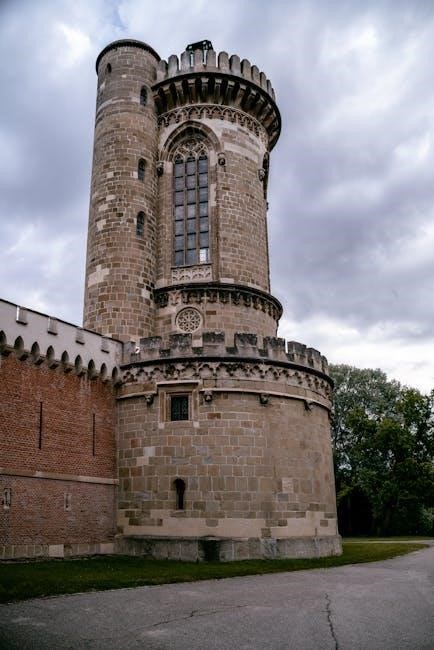
The conclusion of “We Have Always Lived in the Castle,” often dissected by readers accessing a “We Have Always Lived in the Castle PDF,” is deliberately ambiguous. Merricat’s final act – seemingly poisoning the well to protect her world – is both shocking and strangely triumphant. Is it a descent into madness, or a desperate assertion of control over her isolated existence?
Interpretations vary widely. Some view it as a tragic culmination of trauma, highlighting the destructive power of isolation and paranoia. Others see it as a darkly empowering act of self-preservation, a refusal to conform to societal expectations. The ending forces readers to confront uncomfortable questions about justice, sanity, and the lengths to which one will go to protect their family and their perceived sanctuary. Jackson leaves the ultimate judgment open, prompting ongoing debate.
Similar Works and Recommended Reading
Readers captivated by the unsettling atmosphere and psychological depth of “We Have Always Lived in the Castle,” often sought through a “We Have Always Lived in the Castle PDF,” might appreciate other works exploring similar themes. Daphne du Maurier’s “Rebecca” shares a gothic sensibility and unreliable narration, while Henry James’ “The Turn of the Screw” delves into psychological ambiguity and isolation.
For those drawn to Jackson’s unique style, her short story collection “The Lottery and Other Stories” is essential. Other authors to explore include Shirley Hazzard and Flannery O’Connor, known for their explorations of dark family secrets and societal alienation. Exploring these authors provides a broader understanding of the gothic and psychological horror traditions that influenced Jackson’s masterpiece.
Discussion Questions for Book Clubs
Having navigated the chilling world often accessed through a “We Have Always Lived in the Castle PDF,” book clubs can delve into its complexities. Consider Merricat’s perspective: is she a reliable narrator, or is her reality distorted by trauma and isolation? Discuss the symbolism of the Blackwood home – does it represent protection, imprisonment, or both?
Explore the community’s reaction to the Blackwood family. What fuels their animosity, and how does it reflect societal fears of outsiders? Analyze the roles of Constance and Julian. Are they victims, manipulators, or something in between? Finally, debate the novel’s ending: is it a triumph of Merricat’s will, or a descent into further isolation? These questions unlock deeper understanding.
Analyzing Merricat’s Unique Perspective
Readers often encounter Merricat Blackwood initially through readily available resources like a “We Have Always Lived in the Castle PDF.” However, truly understanding her requires dissecting her narrative voice. Merricat’s worldview is profoundly shaped by trauma – the arsenic poisoning and subsequent ostracization. This leads to a childlike, ritualistic approach to life and a fierce protectiveness of her sister, Constance.
Her dislike of the outside world isn’t simply eccentricity; it’s a defense mechanism. Analyze her magical thinking and how it functions as a coping strategy. Is she delusional, or does she perceive a reality others miss? Consider how Shirley Jackson utilizes first-person narration to immerse us in Merricat’s subjective experience, blurring the lines between sanity and perception.
The Impact of Trauma on the Characters
Accessing a “We Have Always Lived in the Castle PDF” provides the text, but grasping the novel’s depth demands examining the pervasive influence of trauma. The arsenic poisoning isn’t merely a plot point; it’s the foundational event fracturing the Blackwood family and their relationship with the town. Mary Katherine (Merricat) and Constance respond with isolation and ritual, attempting to regain control in a world perceived as hostile.

Even characters seemingly unaffected, like Cousin Charles, are driven by underlying anxieties and societal pressures. Shirley Jackson masterfully portrays how trauma manifests differently – through withdrawal, obsession, and manipulative behavior. Consider how the past dictates present actions and shapes the characters’ distorted perceptions of reality, ultimately fueling the novel’s unsettling atmosphere.