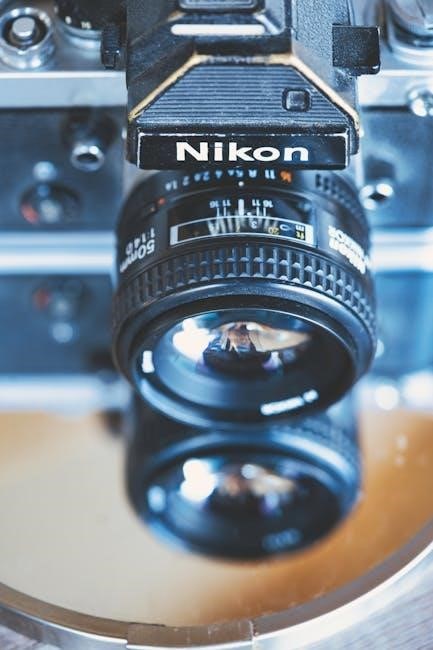
Nikon D700: A Comprehensive Guide
This guide unlocks the Nikon D700’s functionalities‚ offering precise control. Nikon’s Manual Viewer 2 app‚ available for iOS and Android‚ provides digital access to the PDF manual.
Explore detailed instruction manuals‚ troubleshooting‚ and resources for optimal performance with your new camera‚ ensuring a masterful photographic experience.
Welcome! This guide serves as your companion to the Nikon D700‚ a full-frame DSLR celebrated for its exceptional image quality and robust build. Nikon provides comprehensive support‚ including the Manual Viewer 2 app for iOS and Android‚ offering convenient PDF access to the camera’s documentation.
Whether you’re a seasoned photographer or just beginning‚ understanding your D700 is key. This introduction will set the stage for mastering its features‚ navigating the menu system‚ and ultimately‚ capturing stunning photographs. Explore the instruction manual for detailed guidance.
Unboxing and Initial Setup
Carefully unpack your Nikon D700‚ verifying all included components. Before powering on‚ consult the instruction manual – available digitally via Nikon’s Manual Viewer 2 app (iOS/Android) in PDF format – for crucial pre-operation steps.
Initial setup involves inserting a compatible memory card‚ charging the battery‚ and setting the date and time. The manual details these processes‚ ensuring a smooth start. Familiarize yourself with the camera’s basic layout before proceeding to more advanced settings;
Understanding the Camera Body
The Nikon D700’s robust build houses a wealth of controls. Refer to the manual (accessible via Nikon’s Manual Viewer 2 app as a PDF) to identify each component. Understanding the physical layout is key to efficient operation.
The body features front and rear panels with dedicated buttons and dials. The manual provides a detailed overview‚ explaining the function of each element. Mastering these controls unlocks the camera’s full potential for precise adjustments.
Front and Rear Panel Overview
The Nikon D700’s front panel hosts the lens mount‚ depth-of-field preview button‚ and autofocus mode selector. Consult the manual‚ available as a PDF through Nikon’s Manual Viewer 2‚ for precise locations and functions.
The rear panel features the LCD screen‚ control dials‚ and various buttons for menu navigation and image playback. The manual details each control’s purpose‚ enabling users to quickly adjust settings and review captured images effectively.
Top Panel Controls and Functions
The Nikon D700’s top panel houses essential controls like the main command dial‚ shutter button‚ and exposure compensation dial. Refer to the manual‚ accessible via Nikon’s Manual Viewer 2 app in PDF format‚ for detailed explanations.
The power switch‚ shooting mode dial‚ and built-in flash control are also located here. Mastering these functions‚ as outlined in the instruction manual‚ allows for swift adjustments to camera settings during shooting sessions.
Key Features of the Nikon D700
The Nikon D700 boasts a full-frame sensor delivering exceptional image quality‚ detailed in the comprehensive manual. Nikon’s Manual Viewer 2 app provides easy access to the PDF version of the instruction manual‚ detailing its capabilities.
Its advanced autofocus system ensures sharp images‚ and the camera’s robust build quality enhances usability. Explore these features thoroughly using the provided documentation for optimal photographic results and masterful control.
Full-Frame Sensor and Image Quality
The D700’s full-frame sensor is central to its superior image quality‚ a detail extensively covered in the manual. The instruction manual explains how this sensor captures more light‚ resulting in richer colors and lower noise. Nikon’s Manual Viewer 2 app offers convenient PDF access.
Understanding sensor settings‚ as outlined in the documentation‚ unlocks the camera’s full potential‚ delivering professional-grade images with exceptional clarity and dynamic range.
Autofocus System: Performance and Settings
The Nikon D700’s autofocus system is detailed within the comprehensive manual‚ explaining various modes and settings for optimal performance. The instruction manual clarifies how to select autofocus points and modes for different shooting scenarios. Nikon’s Manual Viewer 2 app provides easy PDF access.
Mastering these settings‚ as described in the documentation‚ ensures sharp‚ accurately focused images‚ even with fast-moving subjects‚ enhancing your photographic control.
Navigating the Menu System
The Nikon D700’s menu system is thoroughly explained in the user manual‚ detailing each category and customizable setting. Nikon’s Manual Viewer 2 app offers convenient digital access to the PDF version‚ simplifying navigation. Understanding these categories‚ as outlined in the instruction manual‚ is crucial.

Customizing settings allows photographers to tailor the camera to their preferences‚ enhancing workflow and maximizing creative control‚ as detailed in the documentation.
Customizing Menu Settings
The Nikon D700’s manual details extensive customization options within the menu system. Photographers can personalize settings for autofocus‚ image quality‚ and display preferences. Nikon’s Manual Viewer 2 app provides easy access to the PDF manual for guidance.
Adjusting these settings‚ as described in the instruction manual‚ allows users to optimize the camera for specific shooting scenarios and personal workflow‚ enhancing overall control and creative expression.
Understanding Menu Categories
The Nikon D700’s manual organizes menu settings into logical categories for easier navigation. These include setup‚ shooting‚ custom settings‚ and retouching. Nikon’s Manual Viewer 2 app offers a digital PDF version of the complete manual.
Understanding these categories‚ detailed in the instruction manual‚ streamlines customization‚ allowing photographers to quickly locate and adjust settings for optimal performance and a personalized shooting experience.
Shooting Modes Explained
The Nikon D700 offers diverse shooting modes‚ catering to all skill levels. Automatic modes simplify operation for beginners‚ while aperture priority‚ shutter priority‚ and manual modes grant full creative control. Consult the instruction manual‚ accessible via Nikon’s Manual Viewer 2 app (PDF format)‚ for detailed explanations.
Mastering these modes‚ as outlined in the user guide‚ unlocks the camera’s full potential‚ enabling photographers to achieve desired effects and capture stunning images.
Automatic Modes for Beginners
The Nikon D700’s automatic modes provide a user-friendly starting point for novice photographers. These modes simplify settings‚ allowing for effortless image capture without complex adjustments. Refer to the instruction manual‚ conveniently available as a PDF through Nikon’s Manual Viewer 2 app‚ for a comprehensive overview.
These modes are ideal for everyday shooting‚ ensuring well-exposed photos with minimal effort‚ while building confidence and familiarity with the camera’s operation.
Aperture Priority‚ Shutter Priority‚ and Manual Modes
For greater control‚ the Nikon D700 offers Aperture Priority (A)‚ Shutter Priority (S)‚ and Manual (M) modes. The manual details how each impacts exposure. Understanding these modes‚ as outlined in the PDF version accessible via Nikon’s Manual Viewer 2 app‚ is crucial for creative photography.
Mastering these settings allows photographers to precisely dictate depth of field‚ motion blur‚ or complete exposure control‚ moving beyond automatic settings.
Focusing Techniques
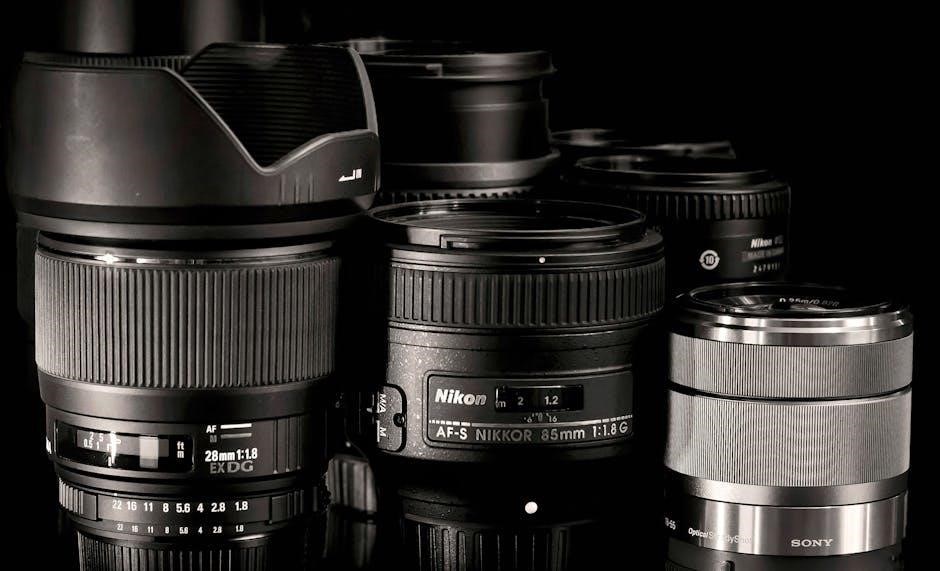
The Nikon D700 provides both autofocus and manual focusing options. Some lenses‚ like older models‚ require specific settings for manual focus‚ as detailed in the instruction manual. The manual‚ available digitally through Nikon Manual Viewer 2‚ explains autofocus modes and selection.
Understanding when to utilize autofocus versus manual focus is key to achieving sharp‚ well-composed images‚ enhancing your photographic control.
Autofocus Modes and Selection
The Nikon D700 offers diverse autofocus modes for varied shooting scenarios. Refer to the instruction manual‚ accessible via Nikon Manual Viewer 2‚ for a comprehensive understanding of each mode’s functionality. Proper selection is crucial for capturing sharp images.
Mastering these modes—detailed within the PDF manual—empowers photographers to optimize autofocus performance‚ ensuring accurate focus on moving or stationary subjects.
Manual Focus: When and How to Use It
Manual focus on the Nikon D700 is essential in low-light or challenging conditions where autofocus struggles. Some lenses‚ like older models‚ require precise manual adjustments‚ as detailed in the camera’s instruction manual.

The PDF manual‚ accessible through Nikon Manual Viewer 2‚ provides guidance on utilizing manual focus effectively. It’s not automatic; understanding lens-specific settings is key for optimal results.
Exposure Control
Nikon D700 exposure relies on the interplay of aperture‚ shutter speed‚ and ISO. Mastering these settings‚ detailed in the manual‚ is crucial for creative control. Utilize exposure compensation and explore various metering modes for accurate results.
The instruction manual‚ available as a PDF via Nikon Manual Viewer 2‚ explains how these elements interact. Understanding these principles unlocks the camera’s full potential for capturing perfectly exposed images.
Aperture‚ Shutter Speed‚ and ISO Relationship

The Nikon D700 manual details how aperture controls depth of field‚ shutter speed dictates motion blur‚ and ISO affects image sensitivity. These settings are interconnected; adjusting one impacts the others.
Understanding this relationship‚ explained in the PDF instruction manual accessible through Nikon’s Manual Viewer 2 app‚ is vital. Proper balance ensures well-exposed‚ creatively compelling photographs‚ as outlined in the documentation.
Exposure Compensation and Metering Modes
The Nikon D700 manual explains exposure compensation‚ allowing overrides to the camera’s suggested exposure. Metering modes – such as Matrix‚ Center-weighted‚ and Spot – determine how the camera assesses light.
Consulting the PDF instruction manual‚ viewable via Nikon’s Manual Viewer 2 app‚ clarifies when to use each mode. Mastering these features‚ detailed in the documentation‚ ensures accurate exposures in diverse lighting conditions.
Working with Lenses
The Nikon D700 is compatible with a wide range of Nikon lenses. The manual details lens specifications‚ crucial for optimal performance. Some older lenses require manual settings adjustments for focus and aperture.
Refer to the instruction manual for compatibility information and guidance. Understanding lens characteristics‚ accessible through Nikon’s Manual Viewer 2 app‚ enhances image quality and creative control.
Compatible Nikon Lenses
The Nikon D700 accepts numerous Nikon F-mount lenses‚ including both AF and older manual-focus designs. The manual emphasizes checking compatibility‚ especially with third-party lenses.
Nikon’s resources‚ including the digital manual via the Viewer 2 app‚ provide detailed lists. Older lenses‚ like the 300mm f/4 AF‚ may require manual adjustments. Ensure proper mounting and functionality as described in the instruction manual.
Understanding Lens Specifications
The Nikon D700 manual details crucial lens specifications like focal length‚ maximum aperture‚ and filter thread size. Understanding these details is vital for optimal image quality.
Nikon emphasizes referencing the instruction manual for each lens. Specifications‚ such as 4256×2832‚ impact image resolution. The manual also explains how settings on both the camera and lens interact‚ ensuring correct operation and maximizing photographic potential.
Image Review and Playback
The Nikon D700 manual explains how to view images on the LCD screen after capture. It details navigating the playback menu for efficient image review.
Crucially‚ the manual introduces histogram analysis – a vital tool for assessing exposure accuracy. Understanding the histogram‚ as outlined in the instruction manual‚ allows photographers to evaluate tonal range and prevent under or overexposure‚ ensuring optimal image quality.

Viewing Images on the LCD Screen
The Nikon D700 manual details how to utilize the camera’s LCD screen for immediate image review post-capture. It explains navigating through images using the multi-selector and zoom function for detailed inspection.
The manual also covers display options‚ including information overlays showing shooting settings. These settings‚ as described in the instruction manual‚ help confirm exposure and composition choices‚ aiding in learning and refinement of photographic technique.
Histogram Analysis
The Nikon D700 manual explains how to interpret the histogram‚ a graphical representation of tonal distribution within an image. Understanding the histogram‚ detailed in the instruction manual‚ is crucial for assessing exposure accuracy.
The manual clarifies how to avoid clipping – loss of detail in highlights or shadows – by analyzing the histogram’s peaks and ranges. Mastering histogram analysis‚ as the Nikon guide suggests‚ leads to better-exposed and more dynamic photographs.
File Formats: RAW vs. JPEG
The Nikon D700 manual details the benefits of shooting in RAW versus JPEG. RAW files‚ as explained in the instruction manual‚ retain all image data captured by the sensor‚ offering maximum flexibility for post-processing.
Conversely‚ JPEGs are compressed‚ losing some data. The manual outlines JPEG quality settings‚ balancing file size and image detail. Choosing RAW‚ per the Nikon guide‚ is ideal for serious editing‚ while JPEG suits immediate sharing.
Benefits of Shooting in RAW
The Nikon D700 manual emphasizes that RAW files preserve all sensor data‚ enabling extensive post-processing adjustments without quality loss. This allows for greater control over white balance‚ exposure‚ and detail recovery‚ as detailed in the instruction manual.
Nikon’s guide highlights RAW’s non-destructive editing capabilities; originals remain untouched. Utilizing RAW‚ per the manual‚ is crucial for professional workflows and achieving optimal image quality‚ offering unparalleled flexibility.
JPEG Settings and Quality Options
The Nikon D700 manual details various JPEG settings‚ including Basic‚ Normal‚ and Fine‚ impacting file size and image quality. Fine offers the highest quality but largest file size‚ as outlined in the instruction manual.
Nikon’s documentation explains color space options (sRGB‚ Adobe RGB) and image size choices. Understanding these settings‚ per the manual‚ is vital for balancing quality and storage. Adjusting these parameters allows tailoring JPEG output to specific needs.
Using Flash with the Nikon D700
The Nikon D700 manual comprehensively covers both the built-in flash features and compatibility with external flash units. It details modes like Auto‚ Fill-Flash‚ and Red-Eye Reduction‚ as described in the instruction manual.
Nikon’s documentation explains how to utilize the camera’s flash control settings for optimal illumination. The manual also outlines synchronization speeds and external flash options‚ enhancing creative control over lighting scenarios.
Built-in Flash Features
The Nikon D700 manual details the camera’s integrated flash‚ covering modes like Auto‚ Fill-Flash‚ and Red-Eye Reduction. It explains how to adjust flash exposure compensation for balanced lighting‚ as outlined in the instruction manual.
Nikon’s documentation clarifies flash synchronization with shutter speed and provides guidance on utilizing the built-in flash for various photographic situations. The manual also describes how to disable or lock the flash for specific creative effects.

External Flash Compatibility
The Nikon D700 manual comprehensively covers compatibility with Nikon’s Speedlight system. It details how to utilize TTL (Through-The-Lens) flash metering for accurate exposures‚ as described in the instruction manual. The manual explains using Commander mode to control multiple remote flashes.
Nikon’s documentation clarifies settings for manual flash control and high-speed sync. It also outlines how to leverage the hot shoe and wireless triggering options for versatile lighting setups‚ enhancing creative possibilities.
Connectivity and Data Transfer
The Nikon D700 manual details connecting the camera to a computer via USB for seamless data transfer‚ as outlined in the instruction manual. It explains utilizing memory cards – CompactFlash primarily – for storing and transferring images. The manual also covers viewing PDF files using free Adobe Reader software.
Nikon’s documentation clarifies the process of downloading and installing the Manual Viewer 2 app for digital access to the camera’s guide‚ streamlining information retrieval and troubleshooting.
Connecting to a Computer
The Nikon D700 manual provides clear instructions for connecting your camera to a computer using a USB cable‚ enabling efficient image transfer. It details the necessary software installation and configuration steps for optimal compatibility. The instruction manual emphasizes ensuring a stable connection for reliable data transmission.
Nikon’s documentation outlines troubleshooting steps for connection issues‚ referencing the Manual Viewer 2 app for further assistance and detailed guidance on the process.
Using Memory Cards
The Nikon D700 manual details compatible memory card types‚ emphasizing proper insertion and removal techniques to prevent damage. It explains formatting procedures for optimal performance and data security‚ referencing the importance of backing up images regularly. The instruction manual clarifies error messages related to memory card issues.
Nikon’s documentation‚ accessible via the Manual Viewer 2 app‚ provides guidance on troubleshooting card reader problems and maximizing storage capacity.
Troubleshooting Common Issues
The Nikon D700 manual offers solutions to frequent problems‚ including error messages and operational difficulties. It details troubleshooting steps for autofocus‚ exposure‚ and image quality concerns. Nikon’s documentation‚ available through the Manual Viewer 2 app‚ provides guidance on basic camera maintenance.
Refer to the instruction manual for resolving issues with memory cards‚ lenses‚ and the LCD screen‚ ensuring continued optimal performance of your camera.
Error Messages and Solutions
The Nikon D700 manual comprehensively lists error messages and provides detailed solutions for each. Common issues‚ like card errors or communication problems‚ are addressed with step-by-step instructions. Nikon’s documentation clarifies the meaning behind each code‚ aiding quick diagnosis.
Consult the instruction manual or the Manual Viewer 2 app for specific remedies‚ ensuring you can swiftly resolve technical hiccups and resume your photographic endeavors without delay.
Basic Camera Maintenance
The Nikon D700 manual emphasizes regular cleaning to maintain optimal performance. Gently blow away dust from the sensor and exterior surfaces. Avoid using liquids directly on the camera body; instead‚ employ a soft‚ dry cloth.
Proper storage‚ away from extreme temperatures and humidity‚ is crucial. Refer to the instruction manual for detailed guidance on lens care and battery maintenance‚ ensuring longevity and reliability.
Nikon Manual Viewer 2 App
Nikon’s Manual Viewer 2 app‚ available for iPhone‚ iPad‚ iPod touch‚ and Android devices‚ offers convenient digital access to your D700’s PDF manual. Download the app to view the comprehensive guide directly on your mobile device.
PDF files are easily viewable using free software like Adobe Reader. This app provides a portable and readily available resource for understanding your camera’s features and functions‚ as detailed in the instruction manual.
Downloading and Installing the App
Nikon’s Manual Viewer 2 app is readily available for download through the App Store for iOS devices (iPhones‚ iPads‚ iPod touch) and Google Play Store for Android. Simply search for “Nikon Manual Viewer 2” within the respective app store.
Once located‚ tap “Install” and follow the on-screen prompts. After installation‚ launch the app to access the D700’s PDF manual and begin exploring its features and functionalities.
Accessing the D700 Manual Digitally
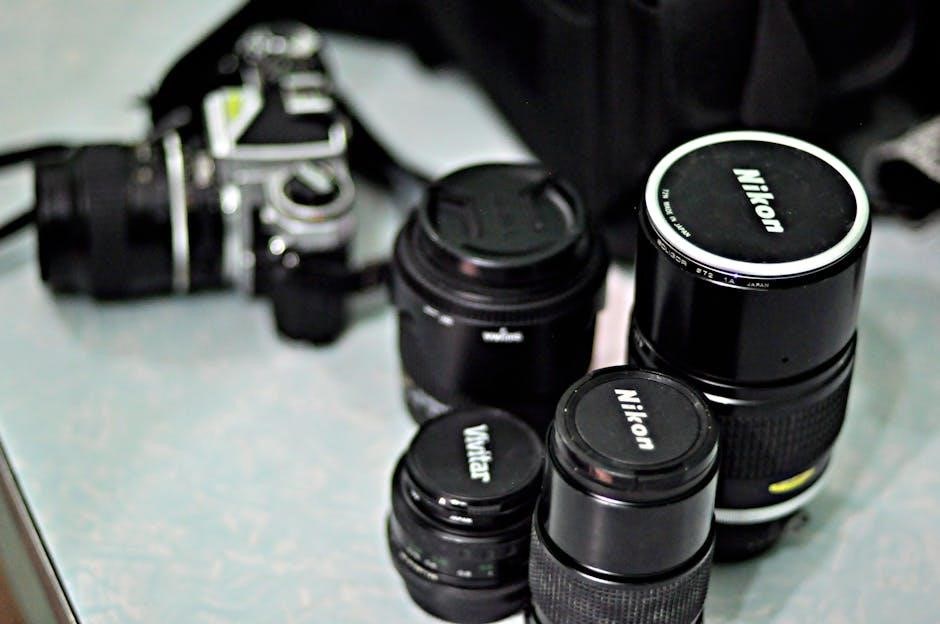
With the Nikon Manual Viewer 2 app installed‚ accessing your D700 manual is straightforward. Launch the application‚ and the available manuals will be displayed. Select the D700 manual from the list to begin viewing the PDF document.
You can then navigate through the manual using standard PDF viewing controls – zoom‚ scroll‚ and search – offering convenient digital access to all the camera’s documentation.
Resources and Further Learning
For comprehensive support‚ visit the Official Nikon Website‚ offering FAQs‚ downloads‚ and troubleshooting guides. Explore vibrant Online Forums and Communities dedicated to the Nikon D700‚ where users share tips and experiences.
Utilize Nikon’s Manual Viewer 2 app for convenient digital access to the PDF manual. These resources will enhance your understanding and unlock the full potential of your camera.
Official Nikon Website and Support
The Official Nikon Website serves as a primary resource‚ providing downloadable manuals in PDF format for the D700. Access FAQs‚ software updates‚ and detailed product information. Nikon’s support section offers troubleshooting assistance and contact options.
Explore their knowledge base for solutions to common issues and maximize your camera’s capabilities. Direct support ensures you have the tools needed for a seamless photographic journey.
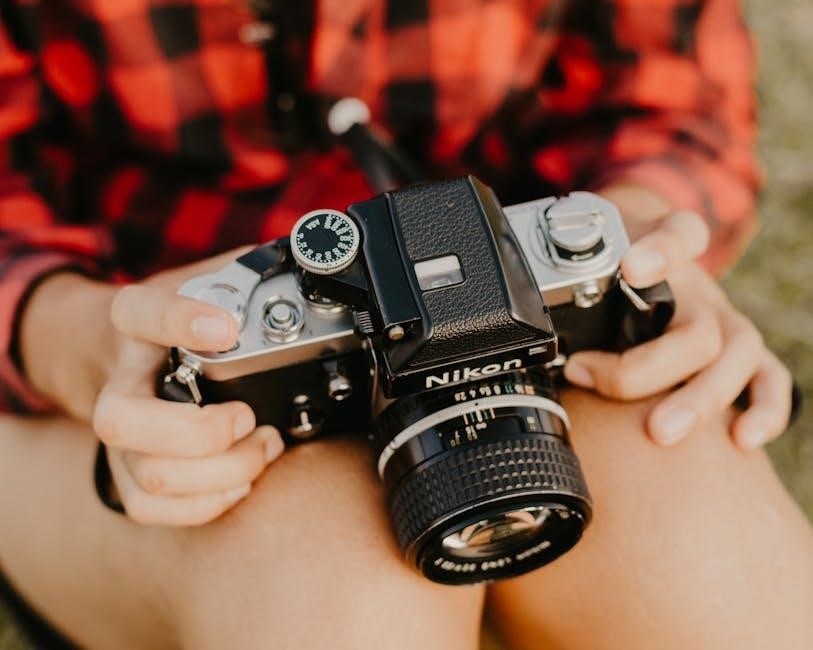
Online Forums and Communities
Numerous online forums and communities dedicated to Nikon photography offer invaluable support for D700 users. These platforms provide a space to ask questions‚ share experiences‚ and learn from fellow enthusiasts.

Discuss techniques‚ troubleshoot issues‚ and discover hidden features. Benefit from collective knowledge and gain insights beyond the manual‚ enhancing your photographic skills and enjoyment.