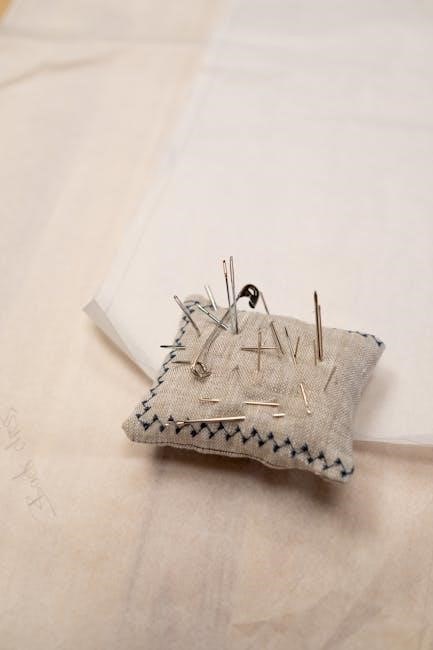
Needle guide assistants, like TOOVREN models, simplify threading, especially for intricate work such as embroidery or cross-stitch. These tools enhance sewing accessibility and efficiency.
Historically, these aids evolved to address the challenges of manual threading, becoming essential for both hand sewing and machine operation.
What is a Needle Guide Assistant?
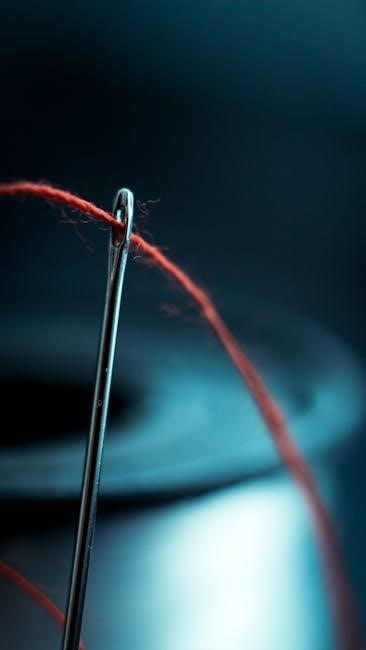
A needle guide assistant is a tool designed to facilitate the often-challenging task of threading a needle. Devices like the TOOVREN needle threader, available on Amazon, offer a simple solution, particularly beneficial for those undertaking detailed needlework.
These assistants, including those from Thread & Needle found on Etsy, assist with hand sewing, embroidery, cross-stitch, and even sewing machines. They essentially guide the thread through the needle’s eye, reducing frustration and saving valuable time for crafters of all skill levels.
The History of Needle Threading Aids
The evolution of needle threading aids reflects a long-standing need to simplify sewing. Early methods relied on ingenuity and patience, but the desire for efficiency spurred innovation. While specific origins are unclear, the concept gained traction alongside the rise of intricate needlework like embroidery.
Modern tools, such as those offered by TOOVREN and Thread & Needle, represent a significant advancement. Historical context also includes public health initiatives, like needle exchange programs, highlighting the broader importance of safe and accessible needle handling.
Types of Needle Guide Assistants
Needle guide assistants range from traditional threaders to TOOVREN’s hand-sewing tools and automatic sewing machine versions. Specialty types cater to embroidery needs.
Traditional Needle Threaders
Traditional needle threaders, often resembling small wire loops, represent the earliest form of threading assistance. These simple devices, like those from Thread & Needle, are incredibly versatile, working with various needle sizes for both hand sewing and some machines.
They require a degree of manual dexterity to use effectively, involving passing the thread through a tiny wire eye and then through the needle’s eye. Despite their simplicity, they remain a popular and affordable option for many sewers.
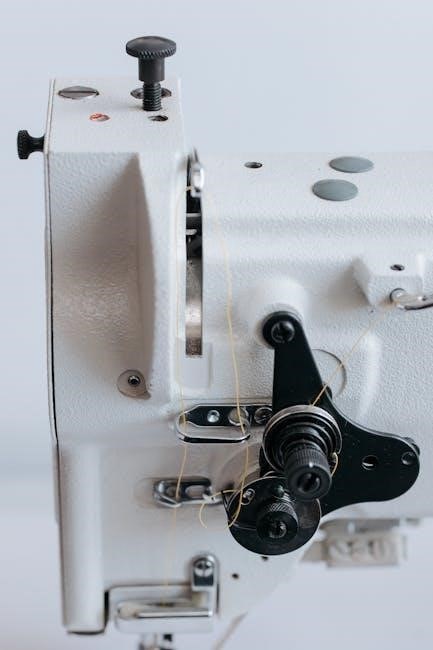
Automatic Needle Threaders for Sewing Machines
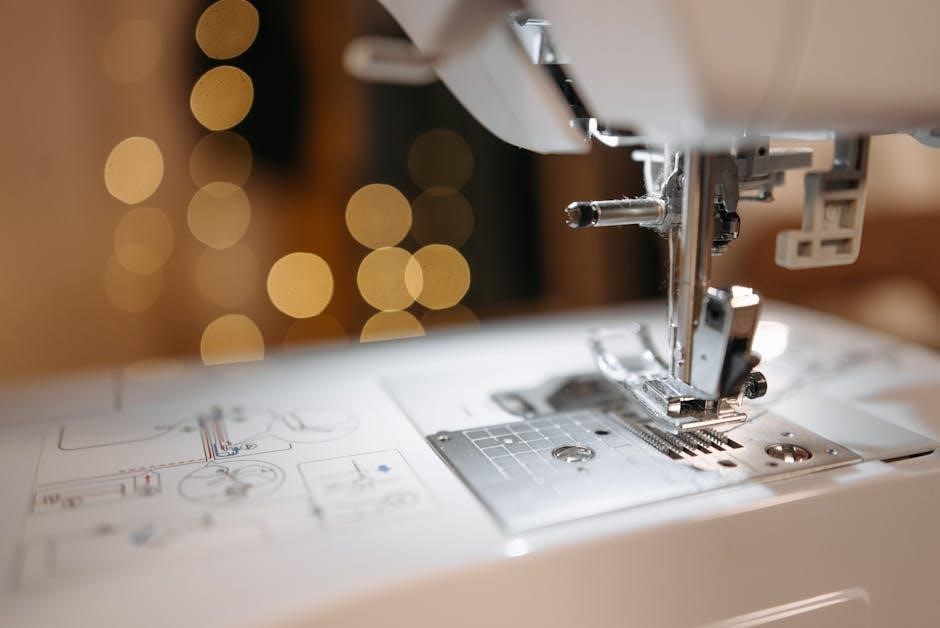
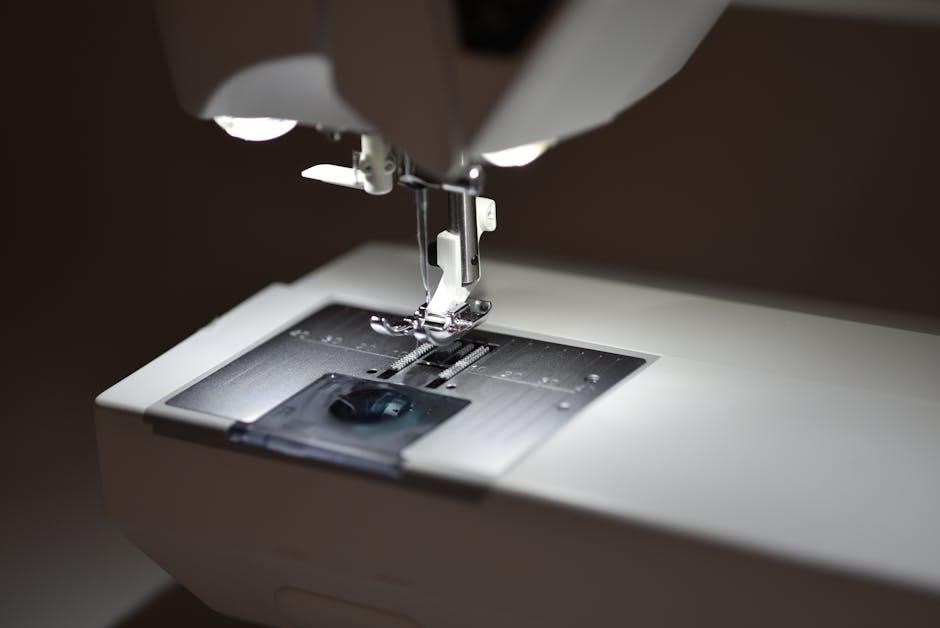
Automatic needle threaders, integrated into many modern sewing machines, significantly streamline the threading process. These mechanisms typically involve guiding the thread through a series of levers and hooks, automatically pushing it through the needle’s eye.
While varying in design across brands, they generally reduce the need for precise manual alignment. This feature is particularly beneficial for individuals who struggle with close-up work or have limited dexterity, enhancing sewing efficiency.
Needle Threaders for Hand Sewing
Needle threaders designed for hand sewing are typically small, wire-loop tools. Users pass the thread through this loop, then through the eye of the needle, pulling the loop back to draw the thread through.
Thread & Needle offers classic examples, bringing charm and practicality to hand sewing. These are especially useful for fine threads or those working on delicate projects, simplifying a traditionally fiddly task.
Specialty Needle Threaders (e.g., for embroidery)
Specialty needle threaders cater to specific needlework types, like embroidery, where needles often have smaller eyes. These threaders may feature finer wires or unique designs to accommodate delicate embroidery floss.
TOOVREN offers options suitable for embroidery and cross-stitch, aiding in precise thread placement. These tools are invaluable for intricate designs, reducing frustration and improving the quality of finished pieces.
Benefits of Using a Needle Guide Assistant
Needle guide assistants boost speed and efficiency, minimizing eye strain. They provide accessibility for those with dexterity limitations, making sewing easier and more enjoyable.
Increased Speed and Efficiency
Needle guide assistants, such as those from TOOVREN and Thread & Needle, dramatically reduce the time spent threading needles. This is particularly beneficial for projects requiring frequent re-threading, like embroidery or detailed stitching.
By streamlining this often-frustrating process, sewers can dedicate more time to the creative aspects of their craft, ultimately increasing overall project completion speed and efficiency.
Reduced Eye Strain and Fatigue
Threading a needle can be incredibly taxing on the eyes, especially with prolonged focus on small needle eyes. Needle guide assistants minimize this strain by providing a mechanical aid, eliminating the need for intense visual concentration.
This reduction in eye fatigue is particularly valuable for individuals who sew for extended periods, promoting comfort and preventing headaches associated with prolonged close work.
Accessibility for Individuals with Limited Dexterity
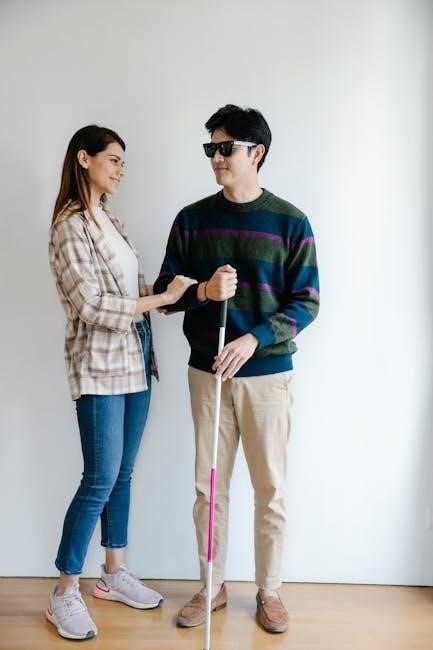
Needle guide assistants are invaluable tools for those experiencing arthritis, tremors, or other conditions impacting fine motor skills. They bypass the need for precise hand-eye coordination and delicate manipulation required for manual threading.
These aids empower individuals with limited dexterity to continue enjoying the therapeutic benefits of sewing, fostering independence and creative expression, making sewing accessible to all.
How to Choose the Right Needle Guide Assistant
Selecting the ideal needle guide assistant depends on your sewing needs. Consider the type of projects, desired durability, and how easily you can learn to use it.
Consider the Type of Sewing
Needle guide assistants cater to diverse sewing styles. For basic hand sewing, a simple threader from Thread & Needle suffices. However, complex embroidery or machine work may necessitate automatic threaders for speed.
Assess whether you need a tool for hand needles, sewing machines, or specialized applications. Choosing a tool aligned with your primary sewing tasks ensures optimal performance and convenience.
Material and Durability
The longevity of a needle guide assistant hinges on its construction. Many affordable options utilize plastic, suitable for occasional use. However, frequent or demanding sewing benefits from metal components, offering enhanced durability.
Consider the material’s resistance to wear and tear, especially with repeated threading. A robust build ensures the tool withstands consistent use, providing lasting value and reliability.
Ease of Use and Learning Curve
A key factor is how quickly you can master a needle guide assistant. Simpler designs, like those from Thread & Needle, often require minimal instruction, making them ideal for beginners.
More complex automatic threaders may have a slight learning curve, but ultimately streamline the process. Intuitive operation and clear instructions are crucial for a positive user experience, maximizing efficiency.
Popular Brands and Models (as of 04/30/2026)
TOOVREN Needle Threaders and Thread & Needle models are currently favored for their practicality and ease of use, dominating the market as of today’s date.
TOOVREN Needle Threaders
TOOVREN offers a variety of needle threaders designed as a helpful “little assistant” for various sewing tasks. These tools are particularly useful for individuals encountering difficulty with traditional threading methods.
Available in multiple colors, often sold in a clear storage box, TOOVREN threaders are praised for simplifying the process of passing thread through needle eyes, benefiting both hand sewing and machine applications like embroidery.
Thread & Needle Needle Threaders
Thread & Needle needle threaders evoke a nostalgic charm while providing practical assistance for sewing enthusiasts. These classic tools are designed to streamline the threading process for sewing machines, overlock machines, and traditional hand sewing projects.
They offer a simple solution, making threading a breeze and are readily available through platforms like Etsy, catering to those seeking a vintage-inspired and functional sewing aid.
Other Leading Brands
Beyond TOOVREN and Thread & Needle, numerous brands contribute to the needle guide assistant market, offering diverse solutions for various sewing needs. While specific leading brands as of April 30, 2026, require further research, many companies specialize in sewing accessories.
These brands continually innovate, providing options ranging from basic threaders to more sophisticated automatic systems, enhancing the sewing experience for all skill levels.
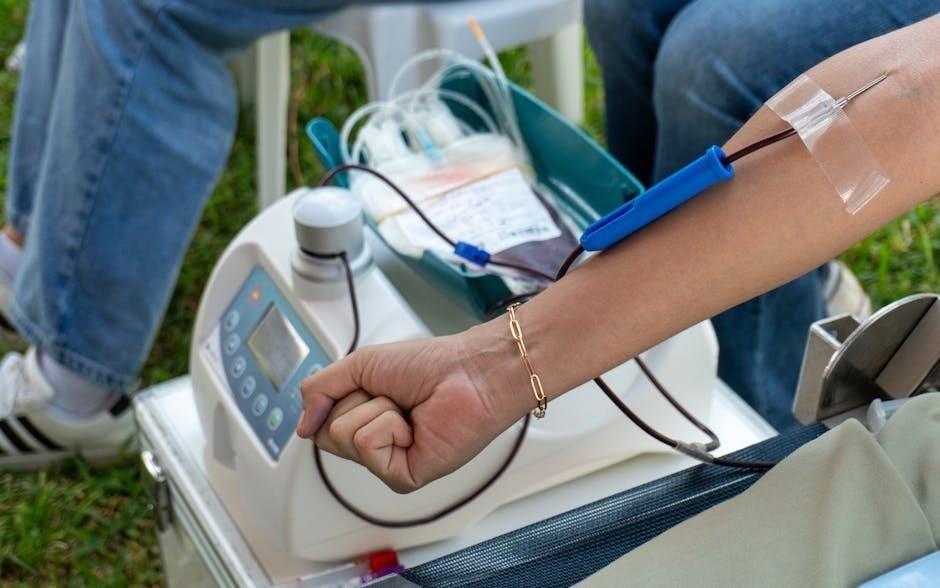
Needle Guide Assistants and Public Health Initiatives
Clean needle distribution programs, highlighted by Dr. Strathdee’s work, demonstrate the critical role of safe needle access in harm reduction and public health strategies.
Needle Exchange Programs and Harm Reduction
While seemingly unrelated, the principles behind needle exchange programs – reducing disease transmission through safe practices – mirror the intent of providing accessible threading aids. Needle guide assistants, though for sewing, emphasize minimizing risks associated with sharp objects.
Discussions surrounding Governor Pence’s initial reluctance and Surgeon General Koop’s conditional approval underscore the importance of evidence-based approaches to public health, a concept applicable to all tools involving needles.
The Role of Clean Needle Distribution
Just as clean needle distribution programs prioritize safety for intravenous drug users, ensuring access to functional needle guide assistants promotes safe sewing practices. These tools minimize direct contact with needle points during threading, reducing accidental pricks.
The historical context of debates surrounding these programs highlights a broader commitment to harm reduction, extending to everyday activities like sewing and crafting.
Troubleshooting Common Issues
Needle guide assistants can experience thread breaking or jamming. Difficulty inserting thread often stems from incorrect alignment or using damaged tools; careful inspection is key.
Thread Breaking
Thread breaking while using a needle guide assistant often indicates a mismatch between thread type and needle size. Ensure compatibility for smooth operation. Also, check for burrs or damage on the guide itself, as these can fray the thread.
Incorrect threading technique or excessive force can also contribute to breakage. Gently guide the thread, avoiding sudden pulls. Regularly inspect and replace worn or damaged guides to maintain optimal performance.
Needle Jamming
Needle jamming when utilizing a needle guide assistant frequently stems from improperly seated needles within the sewing machine or hand sewing setup. Confirm the needle is fully inserted and securely fastened.
Fabric buildup around the needle area can also cause obstructions. Regularly clean this space. Inspect the guide for any debris hindering smooth needle movement, and ensure correct threading paths are followed.
Difficulty Inserting Thread
Difficulty inserting thread with a needle guide assistant often arises from using incorrect thread weight for the needle size. Ensure compatibility for smooth passage. Check the threading path of both the assistant and the sewing machine, verifying no loops or twists exist.
A bent or damaged needle eye can also impede threading. Replace it if necessary, and consider lubricating the threading path for easier insertion.
Future Trends in Needle Guide Technology
Smart needle threaders, potentially utilizing AI assistance, are emerging. Integration with automated sewing machines promises streamlined workflows and enhanced precision in threading processes.
Smart Needle Threaders with AI Assistance
AI-powered needle threaders represent a significant leap forward. These devices could analyze needle eye size and thread type, automatically adjusting settings for optimal threading. Imagine a system recognizing thread fragility and modifying speed accordingly!
Furthermore, machine learning algorithms could predict potential threading failures, offering preventative guidance. Such technology would minimize frustration and maximize sewing efficiency, especially for complex projects.
Integration with Sewing Machine Automation
Seamless integration of needle threading into automated sewing machines is the next frontier. Picture a machine that automatically selects and threads the needle based on the chosen fabric and stitch. This eliminates a tedious step, boosting productivity for both hobbyists and professionals.
Such systems could also incorporate error detection, alerting users to incorrect threading or potential issues, ensuring smooth and efficient operation.
Where to Buy Needle Guide Assistants
Needle threaders, including TOOVREN and Thread & Needle brands, are readily available online at retailers like Amazon and Etsy, plus local craft stores.
Online Retailers (Amazon, Etsy)
Amazon offers a vast selection of needle threaders, including the popular TOOVREN tools, often with quick shipping and competitive pricing. Customers benefit from numerous reviews and varied options.
Etsy provides a curated marketplace featuring both vintage and handmade needle threaders, like those from Thread & Needle, appealing to those seeking unique or nostalgic sewing accessories. Both platforms offer convenience and diverse choices.
Local Sewing and Craft Stores
Visiting local sewing and craft stores provides a tactile experience, allowing customers to physically examine needle threaders before purchase. Knowledgeable staff can offer personalized recommendations based on specific sewing needs and skill levels.
These stores often carry a curated selection of quality tools, potentially including brands not widely available online, fostering a connection with the local sewing community and supporting small businesses.
Maintaining Your Needle Guide Assistant
Regular cleaning and occasional lubrication ensure smooth operation of your needle threader. Proper storage, protected from dust and damage, extends its lifespan significantly.
Cleaning and Lubrication
Regular cleaning is vital for optimal performance. After each use, gently remove any lint or thread fragments with a soft brush or compressed air. For deeper cleaning, a slightly damp cloth can be used, ensuring it’s thoroughly dry afterward.
Lubrication, though infrequent, keeps moving parts functioning smoothly. A tiny drop of sewing machine oil applied to key joints can prevent sticking. Avoid over-oiling, as this attracts dust. TOOVREN and Thread & Needle threaders benefit from this care.
Storage and Protection
Proper storage extends the lifespan of your needle guide assistant. Utilize the provided clear box, as seen with TOOVREN models, to prevent dust accumulation and accidental damage. Keep the tool in a dry environment, away from extreme temperatures or humidity.
Protect delicate parts from bending or breaking by avoiding placing heavy objects on top. Careful storage ensures your threading aid remains reliable for countless sewing projects, maintaining its efficiency.
Needle Guide Assistants vs. Other Sewing Tools
Unlike seam rippers or thimbles, needle guide assistants specifically address threading challenges. They streamline preparation, enhancing speed and reducing frustration during sewing projects.
Comparison with Seam Rippers
Seam rippers are corrective tools, designed to dismantle stitches when errors occur, focusing on undoing work. Conversely, needle guide assistants proactively enable sewing by simplifying the initial threading process.
While a seam ripper addresses mistakes, a tool like TOOVREN’s needle threader prevents frustration before it begins, improving workflow. They serve fundamentally different, yet complementary, roles in a sewist’s toolkit.
Comparison with Thimbles
Thimbles protect fingers during hand sewing, offering physical safeguarding while applying force to the needle. Needle guide assistants, however, address a different aspect of sewing – the often-difficult task of threading the needle itself, like those from Thread & Needle.
One is about protection during sewing, the other about preparation before. They enhance the sewing experience in distinct ways, both contributing to greater comfort and efficiency.
The Impact of Needle Guide Assistants on Sewing Communities
Needle guide assistants promote inclusivity by making sewing accessible to individuals with dexterity limitations, fostering a wider, more diverse sewing community and hobbyist base.
Accessibility and Inclusivity
Needle guide assistants significantly broaden participation in sewing by removing a key barrier for individuals facing challenges with fine motor skills or visual impairments. Tools like those from Thread & Needle empower a wider range of people to enjoy the creative and therapeutic benefits of needlework.
These aids foster inclusivity, allowing those who might otherwise struggle to engage with sewing, promoting a more diverse and welcoming community for all skill levels and abilities.
Promoting Sewing as a Hobby
Needle guide assistants, such as the convenient TOOVREN tools, lower the initial learning curve for aspiring sewers, making the hobby more approachable and less frustrating. By simplifying a traditionally difficult step, these devices encourage more people to explore the rewarding world of textile crafts.
This increased accessibility fosters creativity and provides a fulfilling pastime, ultimately contributing to the growth and vibrancy of sewing communities worldwide.
Safety Precautions When Using Needle Guide Assistants
Needle guide assistants aid threading, but always handle needles with care to avoid injury. Maintain focus and use caution during the threading process.
Handling Sharp Needles
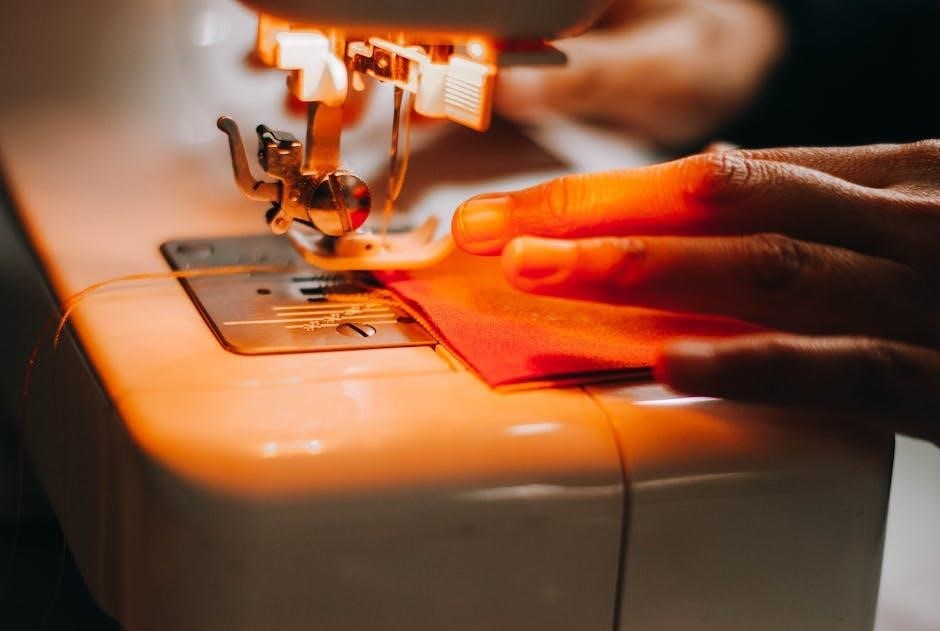
Needle guide assistants streamline threading, but remember that needles remain inherently sharp. Always maintain a firm grip and focused attention when utilizing these tools. Avoid rushing the process, as haste increases the risk of accidental pricks.
Proper lighting is crucial for clear visibility. Discard damaged or bent needles immediately. When not in use, store needles and threading aids securely in a designated container to prevent unintended access or injury.
Avoiding Injury
While needle guide assistants like those from Thread & Needle simplify threading, prioritize safety. Never apply excessive force when using the tool, as this could cause the needle to snap or slip. Keep fingers clear of the needle’s path during operation.
Always work in a well-lit area to ensure optimal visibility. If a needle breaks, carefully dispose of the fragments to prevent accidental cuts. Consider wearing protective eyewear, especially during complex threading maneuvers.
Resources for Learning More
Explore online tutorials and sewing blogs for guidance on using needle guide assistants effectively. Sewing forums offer community support and troubleshooting tips.
Online Tutorials and Videos
Numerous online tutorials demonstrate proper needle guide assistant usage, covering various models like TOOVREN and Thread & Needle options. Video platforms showcase threading techniques for hand sewing and sewing machines, offering visual learners a clear understanding;
These resources often address common issues, such as thread breaking or difficulty inserting thread, providing practical solutions. Search for specific models or sewing applications to find targeted guidance.
Sewing Blogs and Forums
Sewing blogs and online forums are invaluable resources for needle guide assistant users. Discussions often feature reviews of brands like TOOVREN and Thread & Needle, alongside troubleshooting tips and shared experiences.
These communities provide a platform to ask questions, learn advanced techniques, and discover innovative applications for these tools, fostering a collaborative learning environment for all skill levels.