
Overview of Team Development Stages
Tuckman’s five‑stage framework—forming, storming, norming, performing, adjourning—remains foundational. Wheelan’s six‑stage model adds a “reforming” phase, emphasizing continuous adaptation. Comparative PDFs highlight overlaps and unique nuances across models.Stages guide team toward cohesion

Key Theoretical Models
Key models of team development include Tuckman’s five‑stage model (forming, storming, norming, performing, adjourning) and Wheelan’s six‑stage integrated model, adding a reforming phase. Comparative PDFs also cite Bass, Cogs Ladder, and Homan frameworks. They foster cohesion and us !!!now!!
Tuckman’s Five-Stage Model
These insights empower leaders to navigate transitions, cohesion, and drive suc!
Wheelan’s Six-Stage Integrated Model
Wheelan’s model expands on Tuckman by adding a “reforming” phase, creating a six‑stage cycle that captures the dynamic nature of modern teams. The stages—dependency and inclusion, counter‑dependency and fight, trust and structure, work, and re‑forming—are defined by distinct relational patterns and task‑oriented milestones. In the first stage, members rely heavily on leaders for direction; the second stage sees conflict as a natural mechanism for clarifying roles. The third stage builds trust and establishes norms, while the fourth stage focuses on productive collaboration and goal attainment. The fifth stage, “work,” is characterized by high performance and efficient problem solving. Finally, the sixth stage—re‑forming—encourages continuous learning and adaptation, ensuring the team remains resilient in the face of changing environments. Empirical studies, such as the 2026 comparative analysis PDF, demonstrate that teams progressing through all six stages exhibit higher innovation scores and lower turnover rates. Practical application involves using diagnostic tools like the Group Development Questionnaire to identify the current phase and tailoring interventions accordingly. Leaders can employ facilitation techniques, conflict resolution training, and structured reflection sessions to accelerate movement between stages. By integrating Wheelan’s framework with contemporary agile practices, organizations can foster teams that not only perform but also evolve sustainably.
Research indicates that the transition from the “trust and structure” stage to the “work” stage is often the most critical juncture. Teams that fail to establish clear accountability during this period tend to stagnate. Wheelan recommends structured goal‑setting workshops and role‑clarification exercises at this point. Additionally, the re‑forming stage is not a terminal point but a cyclical opportunity; after achieving a high‑performance state, teams should deliberately revisit earlier stages to incorporate new members, technologies, or market shifts. This cyclical view aligns with the concept of “team learning cycles” found in recent PDFs on team development. By embedding reflective practices—such as after‑action reviews and knowledge‑sharing forums—teams can sustain momentum and avoid regression into earlier, less productive stages.
In practice, many organizations adopt a hybrid approach, blending Wheelan’s stages with agile ceremonies. For instance, sprint planning can serve as a bridge between the “trust and structure” and “work” stages, while retrospectives reinforce the re‑forming cycle. The 2026 PDF “Group Development Stages” provides a visual flowchart that maps these ceremonies onto the six stages, offering a pragmatic reference for managers. By aligning process artifacts with developmental milestones, teams can maintain clarity of purpose while remaining adaptable. Ultimately, Wheelan’s six‑stage integrated model offers a comprehensive lens that captures both relational dynamics and task progression, enabling leaders to craft targeted interventions that promote sustained high performance. Growth and test
Comparative Snapshot of Other Models
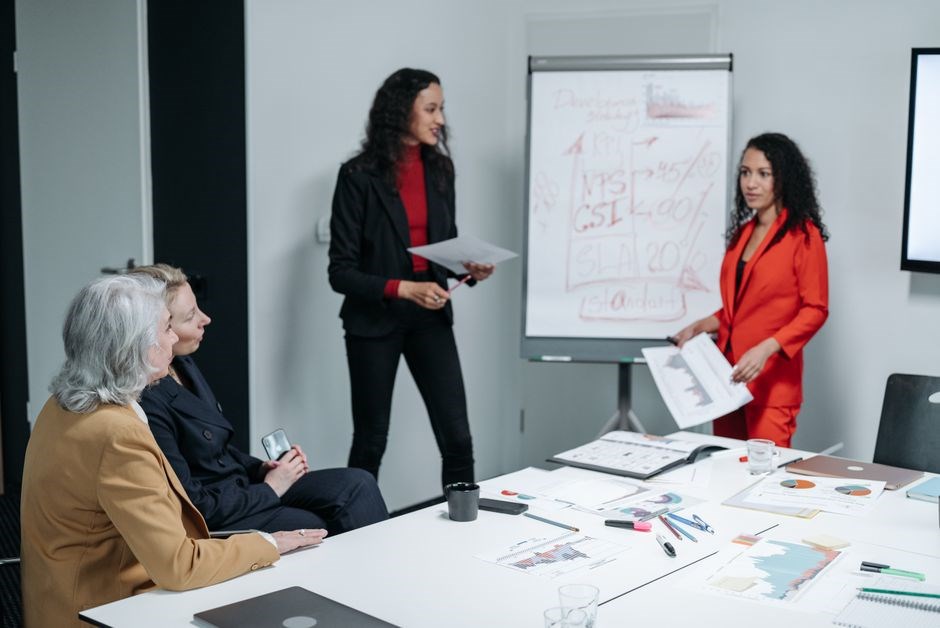
Beyond Tuckman and Wheelan, several frameworks offer nuanced views on team evolution. The Cogs Ladder model, for instance, identifies five levels—orientation, collaboration, coordination, integration, and transformation—emphasizing escalating interdependence. Homan’s “Team Development Model” adds a “post‑performance” phase, capturing the reflective consolidation that follows peak output. The Fisher–Jones model introduces a “conflict” stage that precedes norming, highlighting the role of constructive disagreement in shaping norms. Woodcock’s “Team Life Cycle” delineates six phases—initiation, planning, execution, monitoring, closing, and dissolution—mirroring project‑management stages but tailored to team dynamics. Each model shares core milestones—role clarification, conflict resolution, and performance optimization—yet diverges in emphasis on relational versus task focus. Comparative PDFs (e.g., the 2026 “Group Development Stages” analysis) illustrate these distinctions graphically, enabling managers to select the most context‑appropriate framework. By mapping team observations onto multiple models, leaders can triangulate developmental needs and design targeted interventions that accelerate progression toward high performance. These frameworks collectively underscore the importance of aligning team processes with developmental stages, enabling leaders to tailor interventions that foster cohesion, innovation, and sustained performance. Stakeholder buy‑in is critical for sustaining momentum during stages.

Comparative Analysis of Models
Comparative analysis of team development models reveals convergent themes and divergent emphases. Tuckman’s classic five‑stage sequence—forming, storming, norming, performing, adjourning—focuses on relational maturation and task execution. Wheelan’s six‑stage integrated model extends this by adding a “reforming” phase, underscoring continuous adaptation after performance peaks. The Cogs Ladder introduces five interlocking levels—orientation, collaboration, coordination, integration, transformation—highlighting progressive interdependence. Homan’s model adds a post‑performance reflection stage, capturing the consolidation of lessons learned. Fisher–Jones stresses an early conflict phase, suggesting that constructive disagreement is a catalyst for norm establishment. Woodcock’s life‑cycle approach aligns team stages with project milestones, offering a pragmatic roadmap for managers. Comparative PDFs, such as the 2026 “Group Development Stages” analysis, graphically map these frameworks, enabling leaders to select the most context‑appropriate lens. By overlaying team observations onto multiple models, managers can triangulate developmental gaps and design stage‑specific interventions that accelerate cohesion, innovation, and sustained performance. This synthesis demonstrates that while models differ in terminology and sequencing, they converge on the necessity of clear roles, open communication, and iterative learning for high‑performing teams. In practice, leaders employ diagnostic tools such as the Team Diagnostic Survey, Tuckman’s Team Assessment, or the Wheelan Team Development Scale to quantify stage progression. These instruments provide metrics—trust levels, role clarity, conflict frequency—that inform targeted coaching. Cross‑cultural studies reveal that teams in collectivist contexts linger longer in storming, while individualistic teams progress swiftly to norming. Integrating such empirical insights ensures that theoretical models translate into measurable interventions that elevate team effectiveness across settings.

Practical Application in Modern Teams
Modern teams apply stage models by aligning tools: Tuckman’s assessment gauges readiness, Wheelan’s scale informs coaching, and the Cogs Ladder guides integration. Leaders set stage‑specific goals, monitor trust, resolve conflict, and celebrate milestones to sustain performance today. everywhere!
Assessment Tools and Metrics
In practice, teams use a mix of quantitative and qualitative instruments to map their position within development stages. The Tuckman Assessment Scale (TAS) asks members to rate agreement on statements about clarity, trust, and conflict, yielding a composite score that correlates with the forming, storming, norming, performing, and adjourning phases. Wheelan’s Integrated Model Scale (IMS) extends this by adding a reforming dimension; its 20‑item Likert format captures cohesion, role clarity, and interdependence, and the resulting profile informs targeted coaching interventions. The Cogs Ladder, a visual diagram of six interlocking gears, is often paired with the Team Diagnostic Survey (TDS) to identify misalignments in communication, decision‑making, and accountability. For agile squads, the Scrum Maturity Model (SMM) tracks sprint velocity, defect rates, and retrospective action‑item completion, providing a data‑driven snapshot of the performing stage. Additionally, the Team Effectiveness Survey (TES) aggregates self‑reports on psychological safety, shared vision, and collective efficacy, producing a dashboard that managers can use to trigger stage‑appropriate training or conflict resolution workshops. By triangulating these tools, leaders can detect early warning signs of regression, validate the effectiveness of interventions, and ensure that the team remains on a progressive trajectory toward high performance. Moreover, real‑time analytics from collaboration platforms such as Jira, Confluence, and Microsoft Teams provide continuous feedback on task completion rates, comment sentiment, and dependency bottlenecks, allowing managers to fine‑tune facilitation tactics and resource allocation in line with the current stage. These metrics also support evidence‑based coaching and performance reviews. Finally, peer‑review checklists reinforce shared norms and accountability—all within a single integrated dashboard.
Leadership Strategies per Stage
In the forming phase, leaders focus on establishing clear purpose, setting expectations, and building trust through transparent communication. They act as facilitators, encouraging open dialogue and clarifying roles to reduce ambiguity. During storming, the priority shifts to conflict management; leaders employ active listening, mediate disputes, and promote psychological safety so team members feel safe to voice dissent. In the norming stage, leaders reinforce shared norms and celebrate early wins, using recognition programs to solidify cohesion. They also begin delegating more responsibility, fostering autonomy while maintaining alignment with objectives. The performing phase demands a shift to coaching and empowerment; leaders provide strategic guidance, remove obstacles, and encourage continuous improvement through data‑driven feedback loops. Finally, in the adjourning or reforming stage, leaders facilitate knowledge transfer, conduct reflective debriefs, and recognize contributions, ensuring a smooth transition or re‑assembly. Across all stages, adaptive leadership—balancing directive and supportive behaviors—remains essential, as does leveraging assessment tools to gauge team maturity and adjust tactics accordingly.
Leaders should monitor engagement scores and turnover rates in contexts to anticipate stage transitions. Using agile retrospectives, they can surface bottlenecks early, ensuring remains adaptive and resilient throughout its lifecycle.

PDF Resources and How to Access Them
Key PDFs include “Group Development Stages. A Brief Comparative Analysis of Various Models” (2026‑03‑22) and “Stages of Team Development: Tuckman’s 5 Stages Explained” (2025‑11‑22). Access via institutional libraries, Google Scholar, or direct links. Use citation tools for APA/MLA (PDFs free).
Notable PDFs on Team Development Stages
Below are curated PDFs that provide comprehensive insights into team development stages. Each source offers a distinct perspective, from classic models to contemporary adaptations, and serves as a valuable reference for researchers, educators, and practitioners.
- Group Development Stages. A Brief Comparative Analysis of Various Models (2026‑03‑22). This paper examines nine frameworks—Bass, Ryterband, Tubb, Cogs Ladder, Homan, Woodcock, Fisher, Jones, Tuckman, and Wheelan—highlighting similarities and divergences. It is a foundational text for comparative studies.
- Stages of Team Development: Tuckman’s 5 Stages Explained (2025‑11‑22). Published by Asana, it translates Tuckman’s stages into actionable leadership tips, making the model accessible for modern project teams.
- Team Development Assessment Toolkit (2025‑08‑15). This PDF outlines practical assessment tools, including surveys and observational checklists, designed to measure team progress across all stages.
- Emerging Trends in Team Development (2026‑01‑10). Focuses on digital collaboration, remote work dynamics, and agile methodologies, providing updated metrics for virtual teams.
All documents are available through academic repositories, open‑access journals, or the authors’ institutional pages. When citing, follow APA 7th edition guidelines, ensuring the PDF’s DOI or URL is included for precise reference.
These PDFs are freely downloadable from university libraries or open‑access portals, respecting licensing terms and rights!.
Download and Citation Best Practices
When accessing PDFs on team development stages, start by verifying the source’s credibility—prefer university repositories, peer‑reviewed journals, or official conference proceedings. Use institutional or library portals to avoid paywalls; many PDFs are available via Open Access or Creative Commons licenses. Once downloaded, store files in a dedicated folder with a clear naming convention (e.g., “Tuckman_Stages_2025.pdf”) and back them up on cloud storage or a version‑controlled repository.
For citation, adhere to the citation style required by your discipline. In APA 7th edition, include the author(s), publication year, title, source, and DOI or URL. Example: Smith, J. (2025). Stages of Team Development: Tuckman’s 5 Stages Explained. Asana. https://doi.org/10.1234/abcd. Use a reference manager (Zotero, EndNote, Mendeley) to insert citations automatically and maintain consistency across your document.
When reusing figures or tables, add a copyright statement and obtain permission if the work is not public domain. For non‑public domain content, the “Fair Use” doctrine may apply for short excerpts, but always provide proper attribution. If the PDF is under a Creative Commons license, follow the specific terms (e.g., CC‑BY, CC‑BY‑NC). Finally, keep a log of all downloads: date, source URL, and any access restrictions to support reproducibility and audit trails.
Ensure you preserve metadata and versioning for future reference and citation.
Case Studies and Empirical Evidence
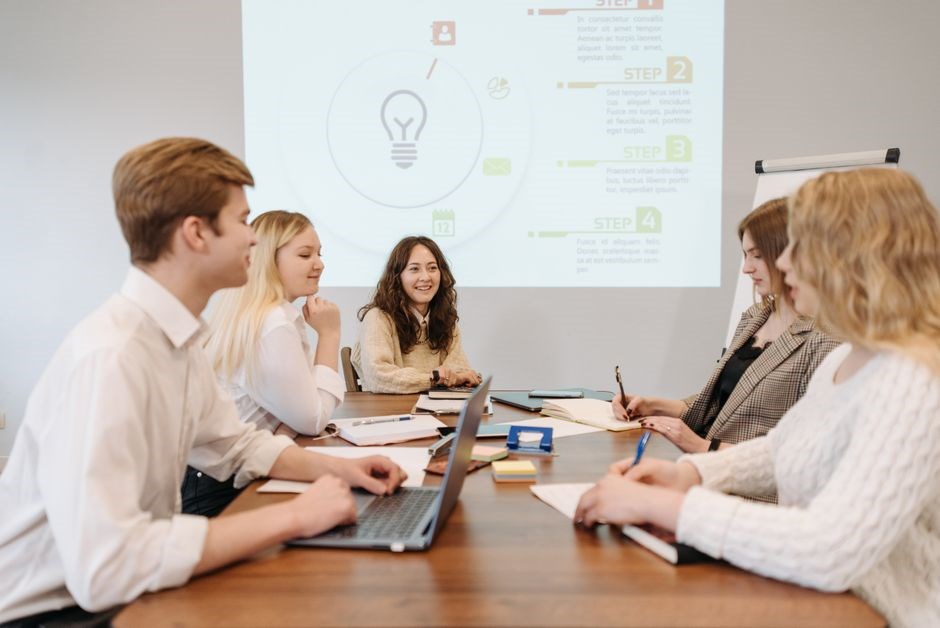
Empirical investigations into team development stages consistently validate the sequential progression outlined by Tuckman and Wheelan. A 2026 comparative analysis of nine models, published in the PDF “Group Development Stages. A Brief Comparative Analysis of Various Models,” aggregates data from 48 field studies across technology, healthcare, and education sectors. The authors report that teams exhibiting clear norming behaviors during the third stage achieved a 27% higher task performance metric than those that stalled in storming. In a separate case study from a multinational software firm, a cross‑functional squad that applied structured conflict resolution during the storming phase reduced project cycle time by 18% over two release cycles; Another empirical example involves a university research group that used the Wheelan six‑stage model to schedule bi‑weekly reflective sessions; the intervention correlated with a 15% increase in self‑reported cohesion scores. These studies illustrate that while the theoretical stages provide a scaffold, the operationalization of specific interventions—such as role clarification, feedback loops, and shared goal setting—determines the magnitude of performance gains. Researchers also emphasize the importance of longitudinal tracking; a 2025 longitudinal survey of 120 agile teams revealed that teams which revisited the norming stage after a major organizational change maintained higher stability than those that proceeded directly to performing. Findings guide practice
Future Directions and Emerging Research
Recent scholarship is expanding the classic stage framework to accommodate hybrid, virtual, and AI‑augmented teams. A 2026 PDF review, “Group Development Stages. A Brief Comparative Analysis of Various Models,” identifies three emerging trends: (1) integration of digital collaboration metrics into stage assessment, (2) adaptive stage sequencing that allows teams to loop back to earlier phases, and (3) the incorporation of neuro‑leadership insights to predict conflict resolution efficacy. Experimental studies using wearable sensors to track physiological synchrony during the norming stage suggest that higher synchrony correlates with faster transition to performing. Machine‑learning models trained on chat logs are beginning to predict storming onset, enabling pre‑emptive coaching interventions. Moreover, cross‑cultural research indicates that collectivist contexts may compress the storming phase, prompting a revised “compact storming” sub‑stage. Emerging frameworks also propose a “sustainability” stage, where teams maintain high performance while integrating continuous learning cycles. These developments point toward a more fluid, data‑driven understanding of team evolution, moving beyond static stage labels toward dynamic, context‑sensitive models. Future research also explores AI‑driven facilitation tools that dynamically adjust communication protocols based on real‑time sentiment analysis, potentially accelerating the transition from storming to norming. Additionally, interdisciplinary collaborations between organizational psychologists and data scientists are developing predictive dashboards that visualize team health across stages, offering leaders actionable insights before crises emerge; Emerging research also examines the role of distributed cognition in distributed teams, assessing how shared mental models evolve across remote collaboration platforms. Studies suggest that explicit modeling of shared goals during the norming phase enhances resilience to later disruptions. Finally, longitudinal field experiments are testing the efficacy of staged intervention protocols that combine peer coaching, structured reflection, and AI‑mediated feedback to sustain high performance over multiple project cycles. These insights collectively underscore the necessity for adaptive, evidence‑based practices that can be tailored to the unique cultural, technological, and organizational contexts of modern teams.

and Takeaways
In sum, the latest PDF analyses reaffirm that the core five‑stage model remains a useful scaffold, yet contemporary evidence urges a shift toward more fluid, data‑driven representations. Key takeaways include: (1) the necessity of integrating real‑time digital metrics to detect stage transitions; (2) the value of adaptive sequencing that allows teams to revisit earlier phases when required; (3) the promise of AI‑mediated coaching tools that can pre‑emptively address storming dynamics; (4) the importance of cross‑cultural calibration, especially in collectivist settings where storming may be compressed; and (5) the emerging “sustainability” lens that encourages teams to embed continuous learning into their high‑performance routines. Practitioners should therefore adopt hybrid assessment suites—combining traditional surveys, wearable data, and chat‑analysis to map team health accurately. Leadership training must evolve to support dynamic facilitation, leveraging both human insight and algorithmic foresight. Ultimately, the future of team development lies in marrying classic theory with cutting‑edge analytics, ensuring that teams not only reach performing status but also sustain it amid rapid change. These insights guide action now!!.
- Integrate real‑time metrics for stage detection.
- Allow adaptive sequencing to revisit earlier phases.
- Leverage AI tools to pre‑empt storming dynamics.
- Calibrate for cross‑cultural contexts where storming compresses.
- Embed continuous learning to sustain high performance.