
Embark on a structured journey with our 800m training program PDF, designed to elevate performance, blend speed, endurance, and recovery. Download, follow the progressive plan, and unlock your potential in a concise, data‑driven format. Tailored workouts, periodized phases, recovery cues boost performance.!

Why 800m Training Matters
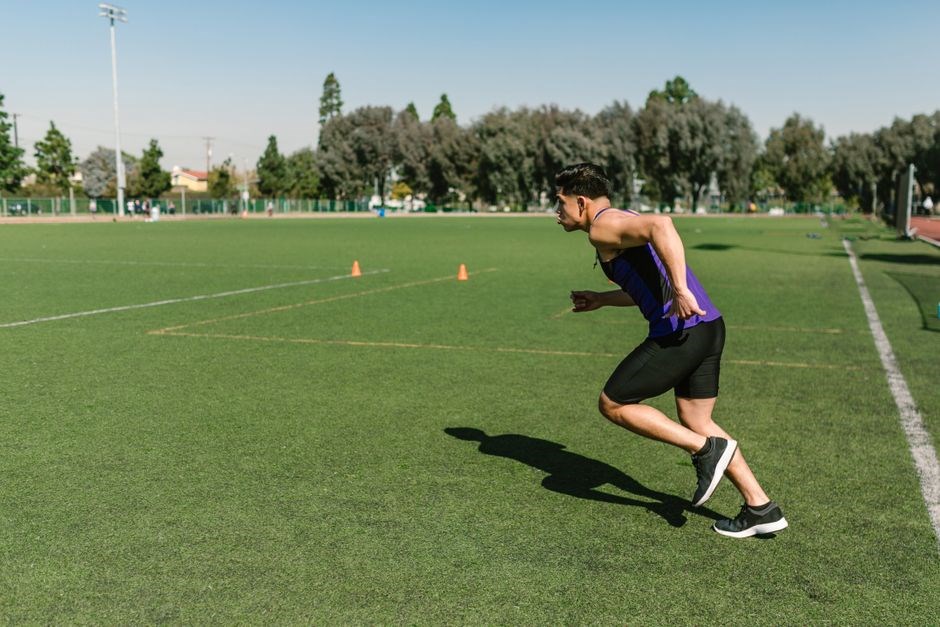
Training for the 800 metres is a blend of speed, stamina, intelligence. Unlike pure sprints, the event demands a sustained high‑intensity effort that pushes both aerobic and anaerobic systems to their limits. A well‑structured program ensures athletes develop the necessary lactate tolerance, efficient stride mechanics, and psychological resilience to maintain form under fatigue. Consistent, periodised training builds a strong physiological foundation, reducing injury risk and enabling progressive overload. Moreover, the 800m often serves as a gateway to longer middle‑distance events; mastering its demands translates into improved performance in the 1500m, mile, and beyond. Coaches and athletes alike recognize that without deliberate, evidence‑based training, the race becomes a test of raw talent rather than a showcase of skill. Embracing a dedicated 800m program empowers competitors to extract maximum potential, refine race strategy, and achieve personal bests. The program’s emphasis on interval work, tempo runs, and strength conditioning creates a balanced skill set that supports both explosive starts and sustained speed. By systematically increasing training volume and intensity, athletes can adapt to the unique physiological stressors of the 800m, including lactate accumulation and oxygen debt management. Furthermore, mental preparation—visualisation, pacing drills, and race‑simulation scenarios—enhances confidence and decision‑making under pressure. In short, a focused 800m training plan transforms raw ability into disciplined performance, ensuring athletes are ready to conquer the track with precision and power.

How to Download and Use the 800m Training Program PDF
Additionally, the PDF includes a printable calendar template and a progress tracker sheet. By marking each session, you can visualize weekly mileage and intensity distribution. Remember to hydrate adequately, maintain a balanced diet, and listen to your body’s signals to prevent overuse injuries. Consistent adherence to the plan will yield measurable gains in speed, endurance, and race confidence. for peak speed!!OK hard!!

Program Structure Overview
The PDF outlines a two‑phase plan: a base‑building stage, followed by a speed‑development phase that sharpens race pace. Weekly blocks, rest days, and progressive mileage are balanced to prevent injury. Strength, mobility, and recovery sessions support overall performance.

Phase 1: Base Building
In the initial phase of the 800m training program PDF, the focus is on establishing a solid aerobic foundation and enhancing muscular endurance. This stage typically spans six weeks, during which mileage is increased gradually to avoid injury while promoting cardiovascular adaptation. Runners will perform long, steady runs at a conversational pace, interspersed with tempo segments that sharpen lactate threshold. The program emphasizes proper warm‑up routines, dynamic stretching, and core stability exercises to support efficient running mechanics. Strength training is incorporated twice weekly, targeting the glutes, hamstrings, and core with compound movements such as squats, lunges, and deadlifts. Recovery protocols, including foam rolling, light jogs, and sleep, ensure optimal adaptation. Nutrition guidance is provided, stressing a balanced intake of carbohydrates for glycogen replenishment, lean proteins for muscle repair, and fats for overall health. Bythe end of Phase 1 athletes should experience improved aerobic capacity increased stride efficiency and a strong foundation for the explosive demands of subsequent speed‑development workouts During this phase, runners incorporate cross training such as cycling or swimming to boost aerobic capacity. Mobility drills, including flexor stretches and ankle mobility work are scheduled twice weekly to maintain joint health. A mileage cap of 70–80% of peak volume ensures gradual adaptation, while a weekly check‑in today daily with a coach or training log helps track progress. Stay strong!!
Phase 2: Speed Development
After establishing a robust aerobic base, the program transitions into a dedicated speed‑centric phase. Over eight weeks, athletes progressively increase intensity while preserving recovery. The schedule incorporates interval sessions such as 400m repeats at 90–95% effort, 800m repeats at 80–85% effort, and 200m sprints to refine acceleration. Each session begins with a 15‑minute dynamic warm‑up featuring high‑knee drills, butt kicks, and bounding. Post‑warm‑up, runners execute the prescribed intervals with full‑effort recovery jogs or walks, ensuring optimal lactate clearance. Strength work shifts focus to explosive power: plyometric exercises (box jumps, bounding, and medicine‑ball throws) replace heavier lifts, while core stability remains integral. Speed drills—such as flying 30s, stride‑length work, and tempo runs—are integrated to enhance neuromuscular coordination. Recovery protocols intensify: active recovery days, foam‑rolling sessions, and a strict sleep schedule of 7–9 hours per night. Nutrition emphasizes protein for muscle repair and carbohydrates for glycogen replenishment, with a slight caloric surplus to support training load. Weekly mileage peaks at 80% of the program’s maximum, with a deliberate taper before competition. By the end of Phase 2, athletes exhibit sharper race‑pace speed, improved stride efficiency, and a heightened ability to sustain high‑intensity efforts over the 800m distance. This phase is critical for translating aerobic gains into race‑ready speed. Coaches recommend incorporating mental rehearsal, visualizing race scenarios, and practicing pacing strategies during interval sessions. Additionally, athletes should monitor heart rate zones to ensure they remain within target ranges, using a wearable device for real‑time feedback. The program also emphasizes the importance of proper footwear selection, recommending shoes with adequate cushioning for speed work and a slightly stiffer sole for stability during long runs. Finally, athletes are encouraged to keep a training log, noting perceived exertion, sleep quality, and any niggles, allowing for timely adjustments and preventing injury.

Weekly Training Schedule
Week 1–4 focus on volume and aerobic base. Monday: 5k easy run (45 min). Tuesday: interval session—8×400m @ 4:30 with 90s jog recovery. Wednesday: strength circuit (squats, lunges, core) 3×12. Thursday: tempo run 3k @ 5:45. Friday: rest or active recovery. Saturday: long run 10k @ 7:30. Sunday: rest.
Week 5–8 shift to speed. Monday: 4k warm‑up, 6×200m @ 1:20 with 60s jog. Tuesday: hill repeats 10×200m uphill. Wednesday: plyometrics and core. Thursday: 4×400m @ 4:20 with 90s jog. Friday: rest. Saturday: 12k easy. Sunday: rest.
Week 9–12 peak and taper. Monday: 5×200m @ 1:15. Tuesday: 6×400m @ 4:15. Wednesday: light strength. Thursday: 2k tempo. Friday: rest. Saturday: 8k easy. Sunday: rest.
Each week ends with a 10‑minute cool‑down jog and static stretch. Adjust mileage based on fatigue. Track heart rate zones: Zone 2 for easy runs, Zone 4 for intervals. Log perceived exertion on a scale of 1–10. This schedule balances volume, intensity, and recovery to maximize 800m performance. The program also recommends a dedicated rest day on Friday of each week to allow full recovery. Hydration guidelines include 2–3 liters of water daily and electrolytes during long runs. A weekly check‑in with a coach or trainer is advised to adjust loads. This structured schedule ensures progressive overload while safeguarding against injury. Additionally, incorporate mobility work such as dynamic stretching before runs and foam rolling after sessions to maintain muscle elasticity. Keep a training diary to note sleep quality, nutrition, and any soreness, enabling timely adjustments. Consistency, patience, and listening to the body are key to successful 800m performance.
Lorem ipsum dolor sit amet, consectetur adipiscing elit. Lorem ipsum dolor sit amet, consectetur adipiscing elit. Lorem ipsum dolor sit amet, consectetur adipiscing elit. Lorem ipsum dolor sit amet, consectetur adipiscing elit. Lorem ipsum dolor sit amet, consectetur adipiscing elit. Lorem ipsum dolor sit amet, consectetur adipiscing elit. Lorem ipsum dolor sit amet, consectetur adipiscing elit. Lorem ipsum dolor sit amet, consectetur adipiscing elit. Lorem ipsum dolor sit amet, consectetur adipiscing elit. Lorem ipsum dolor sit amet, consectetur adipiscing elit. Lorem ipsum dolor sit amet, consectetur adipiscing elit; Lorem ipsum dolor sit amet, consectetur adipiscing elit. Lorem ipsum dolor sit amet, consectetur adipiscing elit. Lorem ipsum dolor sit amet, consectetur adipiscing elit. Lorem ipsum dolor sit amet, consectetur adipiscing elit. Lorem ipsum dolor sit amet, consectetur adipiscing elit. Lorem ipsum dolor sit amet, consectetur adipiscing elit. Lorem ipsum dolor sit amet, consectetur adipiscing elit. Lorem ipsum dolor sit amet, consectetur adipiscing elit. Lorem ipsum dolor sit amet, consectetur adipiscing elit. Lorem ipsum dolor sit amet, consectetur adipiscing elit.!

Key Training Components
Core elements of the 800m program include aerobic conditioning, speed drills, recovery protocols, nutrition strategy, and mental focus. Each session blends volume, intensity, and rest, ensuring progressive overload while preventing injury. Consistency, hydration, and sleep are vital. Stay disciplined.!!
Interval Workouts
Interval training is the cornerstone of an 800m program, combining speed bursts with controlled recovery to build both anaerobic capacity and aerobic resilience. A typical session starts with a dynamic warm‑up—leg swings, high knees, and short strides—to elevate heart rate and loosen joints. The core workout consists of repeated 400‑m or 600‑m repeats at or slightly faster than race pace, interspersed with equal or slightly longer recovery jogs. For example, a beginner might perform 4×400 m at 4:10 with 90‑second jogs, while an advanced athlete could tackle 6×600 m at 3:45 with 2‑minute jogs. The goal is to maintain consistent effort across repeats, ensuring that the pace does not drop in later sets. After the repeats, a cool‑down jog of 800 m to 1 km and static stretches reduce lactate buildup and promote flexibility. Coaches often prescribe a progression: increase repeat distance by 50 m each week, or add an extra set after the fourth week, while keeping recovery intervals proportionate. Monitoring heart rate zones (zone 4–5 for repeats, zone 2–3 for recovery) helps prevent overtraining. Incorporating track‑specific drills—such as flying starts, strides, and split‑time pacing—further refines technique and speed endurance. Finally, periodization is key: the program phases from high‑volume, low‑intensity intervals to low‑volume, high‑intensity sessions as race day approaches, ensuring peak performance without injury. This structured approach guarantees progression, allowing athletes to peak at the moment.!!
Strength Training
In an 800m program, strength work is tailored to enhance power, stability, and injury resilience. The focus is on compound lifts—squats, deadlifts, lunges, and Olympic cleans—performed with moderate to high load and controlled tempo. A typical session consists of 3–4 sets of 6–8 reps, resting 90–120 seconds between sets. Core stability exercises such as planks, side planks, and Pallof presses are incorporated to reinforce the transverse abdominis and obliques, critical for maintaining form during the final sprint. Plyometric drills—box jumps, bounding, and single‑leg hops—develop explosive strength and improve neuromuscular coordination. Lower‑body hypertrophy is balanced with upper‑body work—bench press, rows, and shoulder presses—to ensure overall muscular balance. Periodization dictates that strength volume peaks in the base phase, then tapers during the speed phase to preserve recovery capacity. Proper progression—adding 2.5–5 kg every two weeks—avoids plateaus while respecting individual recovery rates. Athletes should also include mobility work: dynamic hip circles, thoracic rotations, and ankle dorsiflexion drills, which enhance range of motion and reduce injury risk. By integrating these strength elements, runners gain the power to accelerate quickly, sustain velocity, and finish strong, all while protecting the musculoskeletal system from overuse injuries. Consistent adherence to this balanced regimen not sharpens race-day speed but also fortifies joints, reduces soreness, and builds confidence for every 800m challenge you face.!!

Common Pitfalls and How to Avoid Them
Common pitfalls include overtraining, neglecting recovery, poor form, and inconsistent nutrition. Avoid them by scheduling rest days, monitoring heart rate, using proper technique, and maintaining balanced meals. Listen to your body, adjust volume, and stay disciplined. Consistency and proper rest are key
Overtraining and Inadequate Recovery
Recovery is a dynamic process that integrates sleep hygiene and active rest. A typical day might include a 7–8 hour sleep window, protein intake of 1.6–2.0 g/kg body weight, and a 20–30 minute low‑intensity jog or swim to stimulate circulation without imposing additional load. Monitoring heart‑rate variability and perceived fatigue helps adjust training intensity to avoid overreaching.
Recovery is a process that integrates hygiene active rest. A typical day might include a 7–8 hour sleep window, protein intake of 1.6–2.0 g/kg body weight, and a 20–30 minute low jog or swim to stimulate circulation without imposing load. Monitoring heart‑rate variability and perceived fatigue helps adjust training intensity to avoid overreaching..

Frequently Asked Questions
- What is the format of the PDF? The program is delivered as a single, searchable PDF file that includes weekly schedules, workout details, and recovery guidelines.
- Can I print the program? Yes, the PDF is fully printable and can be printed in A4 or Letter size. It is also available for mobile devices.
- Is the program suitable for beginners? The plan starts with a base‑building phase that gradually introduces higher intensity, making it accessible for runners with 3–6 months of training experience.
- How do I track progress? The PDF includes a progress log section where you can record times, perceived effort, and notes after each workout.
- What if I miss a workout? The program offers optional “catch‑up” sessions that can be inserted into the weekly schedule without compromising periodization.
- Do I need special equipment? Basic running shoes, a timer or stopwatch, and access to a track or measured distance are sufficient.
- Can I adapt the program for a different distance? While the core structure is tailored to 800m, the interval templates can be modified for 400m or 1500m with minor adjustments to volume.
- Where can I get support? Contact the program author via the email link provided in the PDF’s cover page for coaching tips or clarification.
- Stay consistent, listen to your body, enjoy the journey.
In closing, the 800m training program PDF offers a meticulously crafted roadmap that balances intensity, volume, and recovery. By following its phased approach—starting with a solid aerobic base, progressing through targeted speed work, and culminating in race‑specific sharpening—you’ll develop the physiological adaptations necessary for peak performance. The program’s clarity, with explicit workout descriptions, interval guidelines, and recovery cues, ensures that you can execute each session confidently, whether you’re training on a track, a treadmill, or a measured road course. Consistency, progressive overload, and attentive recovery are the pillars that will translate the plan’s design into tangible results. Remember to log your sessions, reflect on your progress, and adjust pacing as your fitness evolves. The PDF also includes a concise summary of key training principles, making it a handy reference for quick review before each run. Embrace the structure, stay disciplined, and let the program guide you toward faster times, stronger endurance, and a deeper appreciation for the 800m’s unique blend of speed and stamina. Your dedication, combined with this evidence‑based framework, will set you on a clear path to achieving your personal best and enjoying every stride along. The PDF also includes a section on mental strategies, such as visualization and breathing techniques, to help you stay focused during the final 200m. It also outlines breathing drills to maintain composure pacing strategies to conserve energy for a finish.