
This comprehensive textbook, spanning xvii pages and 654 total, delves into the complexities of criminal behavior․
It offers a detailed psychological perspective, supported by extensive bibliographical references and helpful indexes for researchers․
The 12th edition explores various facets, from defining crime to analyzing data sources and juvenile delinquency’s developmental factors․
Overview of the Textbook

This edition of “Criminal Behavior: A Psychological Approach” presents a thorough examination of the psychological underpinnings of criminal activity․

Spanning 654 pages, the text meticulously covers a broad spectrum of topics, beginning with foundational perspectives on human nature and criminology․
It systematically analyzes methods for defining criminal behavior and critically evaluates data sources like the FBI’s UCR, self-report studies, and victimization surveys․
A significant portion is dedicated to juvenile delinquency, tracing its historical context, defining its scope, and exploring social, psychological, and familial risk factors․
Furthermore, the book provides in-depth coverage of the intricate relationship between substance abuse – including marijuana, stimulants, opioids, and club drugs – and criminal behavior․
The inclusion of extensive bibliographical references (pages 571-636) and indexes ensures its value as a scholarly resource․
Key Authors: Curt R․ Bartol & Anne M․ Bartol
Curt R․ Bartol and Anne M․ Bartol are highly respected figures in the field of criminology and forensic psychology, renowned for their contributions to understanding criminal behavior․
Their collaborative work, “Criminal Behavior: A Psychological Approach,” has become a cornerstone textbook for students and professionals alike, now in its 12th edition․
Both authors bring extensive expertise in psychological principles applied to the study of crime, offering a nuanced and evidence-based perspective․
Their research focuses on the intersection of individual psychology, social factors, and the legal system, providing a holistic view of criminal motivations and actions․
Through numerous editions, they have consistently updated the text to reflect the latest research and emerging trends in the field, ensuring its continued relevance․
The Bartols’ dedication to rigorous scholarship has solidified their position as leading authorities on criminal behavior․
Core Themes and Perspectives
The 12th edition of “Criminal Behavior: A Psychological Approach” centers around several core themes, including the biological, psychological, and social factors influencing criminal conduct․
A key perspective is the application of psychological theories – learning, cognitive, and personality – to explain why individuals engage in unlawful activities․
The book emphasizes a developmental approach, examining how risk factors accumulate across the lifespan to increase the likelihood of offending․
It also explores the role of substance abuse, particularly marijuana, stimulants, and opioids, in relation to criminal behavior, detailing specific connections․
Furthermore, the text provides a critical analysis of criminological research methods, including UCR data, self-report studies, and victimization surveys․
Ultimately, the book aims to provide a comprehensive and integrated understanding of the complex interplay of factors contributing to crime․

Understanding Crime Through Different Lenses
This section examines human nature’s perspectives within crime theories, alongside broader criminological viewpoints, defining criminal behavior and its multifaceted origins․
Perspectives of Human Nature in Theories of Crime
Exploring the foundational beliefs about human nature is crucial for understanding diverse criminological theories․ This textbook meticulously examines how differing assumptions – whether humans are inherently good, evil, or neutral – shape explanations for criminal conduct․
Classical criminology, for instance, posits a rational actor model, assuming individuals weigh costs and benefits before committing crimes․ Conversely, positivist perspectives suggest biological, psychological, or social factors predispose individuals to criminality, moving away from free will․
The text delves into the implications of these perspectives, analyzing how they influence approaches to crime prevention and punishment․ It considers the role of individual differences, developmental factors, and societal influences in shaping criminal behavior, offering a nuanced understanding of the complex interplay between human nature and criminal activity․
Ultimately, this section provides a critical framework for evaluating the strengths and limitations of various criminological theories based on their underlying assumptions about human nature․
Perspectives in Criminology
Criminology encompasses a broad spectrum of perspectives, each offering a unique lens through which to examine criminal behavior․ This textbook systematically explores these diverse viewpoints, ranging from sociological and psychological to biological and economic explanations․
It details the contributions of key schools of thought, including classical, positivist, and conflict theories, highlighting their core tenets and empirical support․ The text also examines emerging perspectives, such as feminist criminology and critical race theory, which challenge traditional assumptions and offer alternative interpretations of crime․
A central theme is the interplay between individual factors and societal forces in shaping criminal behavior․ The book emphasizes the importance of considering multiple levels of analysis – from the individual offender to the broader social context – to gain a comprehensive understanding of crime․
This section equips readers with a robust framework for critically evaluating different criminological perspectives and their implications for policy and practice․
Defining Criminal Behavior
Establishing a clear definition of criminal behavior is foundational to the study of criminology, yet surprisingly complex․ This textbook delves into the multifaceted nature of this definition, moving beyond simple legalistic interpretations․
It explores the crucial distinction between acts defined as criminal by law and behaviors that cause harm but remain legally sanctioned․ The text examines the role of social construction in shaping our understanding of crime, acknowledging that definitions can vary across cultures and time periods․
Furthermore, it addresses the challenges of defining “harm,” considering both physical and psychological consequences․ The book also investigates the concept of criminal intent, exploring the psychological factors that contribute to an individual’s decision to engage in criminal activity․
Ultimately, this section provides a nuanced and critical examination of what constitutes criminal behavior․
Data Sources in Criminological Research

Reliable data is crucial for understanding crime trends․
This section examines key sources like the FBI’s UCR, self-report studies, and victimization surveys․
These methods provide valuable insights into the nature and extent of criminal activity․
FBI Reporting Systems (UCR)
The FBI’s Uniform Crime Reporting (UCR) Program represents a longstanding and significant source of criminological data in the United States․
Initially established in the 1920s, the UCR collects data voluntarily submitted by law enforcement agencies across the nation regarding reported crimes․
This data is compiled and published annually in the form of Crime in the United States, offering a broad overview of crime trends and patterns․
The UCR traditionally focuses on Part I offenses – more serious crimes like murder, rape, robbery, and aggravated assault – and Part II offenses, which encompass less severe crimes․
However, the UCR has faced criticism regarding its reliance on voluntary reporting, potential for underreporting, and the hierarchical nature of its crime classification․
Recognizing these limitations, the FBI transitioned to the National Incident-Based Reporting System (NIBRS), a more detailed and comprehensive data collection method․
Despite its shortcomings, the UCR remains a valuable historical resource and continues to inform criminological research․
Self-Report Studies
Self-report studies offer a distinct approach to understanding criminal behavior, differing significantly from official crime statistics like the UCR․
These studies involve directly asking individuals, often through anonymous surveys or interviews, about their involvement in criminal activities, both reported and unreported to authorities․
This methodology provides valuable insights into the “dark figure of crime” – offenses that go undetected or unrecorded by official sources․
Researchers utilize self-report data to explore the prevalence of various types of criminal behavior, identify risk factors, and examine patterns of offending․
However, self-report studies are not without limitations, including potential issues with recall bias, social desirability bias, and the possibility of deliberate misrepresentation․
Despite these challenges, they remain a crucial tool for criminologists seeking a more complete picture of criminal activity and offender characteristics․
They complement official data, providing a nuanced understanding of the complexities of crime․
Victimization Surveys
Victimization surveys represent a vital data source in criminological research, complementing official crime reports and self-report studies․
Unlike the Uniform Crime Reporting (UCR) system, which relies on police records, victimization surveys directly ask individuals about their experiences as victims of crime, regardless of whether those crimes were reported to law enforcement․
This approach is crucial for uncovering the “dark figure of crime” – incidents that go unreported due to fear of retaliation, distrust of the police, or the belief that reporting would be futile․
These surveys provide valuable data on the prevalence of various crimes, characteristics of victims, and circumstances surrounding victimization․
They also offer insights into the reasons why crimes are not reported, enhancing our understanding of the barriers to justice․
However, victimization surveys are subject to limitations, including recall bias and potential underreporting due to fear or embarrassment․
Despite these challenges, they remain an essential tool for criminologists․
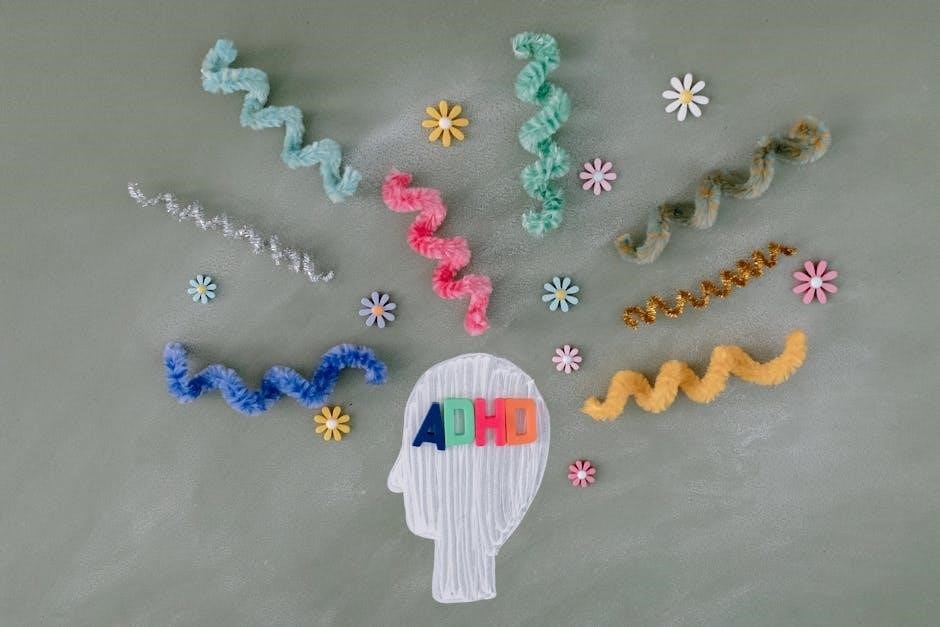
Juvenile Delinquency: A Developmental Approach
This section examines the history of juvenile justice, defining delinquency and its extent, alongside social, psychological, and family risk factors․
A Brief History of Juvenile Justice
Historically, children were treated similarly to adults within the legal system, facing the same punishments regardless of age or understanding․ The emergence of the juvenile justice system marked a significant shift, rooted in the progressive era’s belief in rehabilitation rather than retribution for young offenders․
The first juvenile court was established in Cook County, Illinois, in 1899, pioneering a new approach focused on the best interests of the child․ This court emphasized individualized treatment, confidentiality, and a less adversarial process than adult criminal courts․
Over time, the juvenile justice system evolved, experiencing periods of increased leniency and, later, a “get tough on crime” movement․ This led to changes in laws, such as lowering the age at which juveniles could be tried as adults for serious offenses․ Contemporary debates continue regarding the appropriate balance between rehabilitation and accountability within the juvenile system, striving for fairness and effective intervention․
Defining Juvenile Delinquency & Extent of Offending
Juvenile delinquency is legally defined as participation in illegal behavior by a minor – generally someone under the age of eighteen․ However, the definition extends beyond statutory violations to include status offenses, behaviors considered unlawful only because of the individual’s age, such as truancy or curfew violations․

Determining the extent of juvenile offending is complex, relying on official statistics like arrests and court referrals, alongside self-report studies and victimization surveys․ These sources reveal varying patterns of offending, with rates peaking during adolescence and differing based on gender, socioeconomic status, and geographic location․
School crime represents a significant portion of reported juvenile delinquency, encompassing offenses like vandalism, theft, and violence․ The “serious delinquent” represents a smaller, but concerning, group involved in more severe and chronic offending, requiring targeted interventions․
Social Risk Factors for Juvenile Delinquency

Numerous social factors contribute to the likelihood of juvenile offending, often interacting in complex ways․ Poverty and socioeconomic disadvantage are consistently linked to higher rates of delinquency, creating environments with limited opportunities and increased stress․
Neighborhood characteristics, such as high crime rates, residential instability, and lack of collective efficacy, also play a crucial role․ Exposure to delinquent peers and gang involvement significantly increases risk, fostering normalization of antisocial behavior․
Family factors, including poor parenting practices, inconsistent discipline, and family conflict, are strongly associated with juvenile delinquency․ Furthermore, educational factors like school failure, truancy, and lack of engagement contribute to the pathway towards offending, highlighting the importance of early intervention and support systems․
Psychological Risk Factors in Juvenile Delinquency
Several psychological factors elevate the risk of juvenile delinquency, often interacting with social and biological influences․ Cognitive deficits, including low intelligence and learning disabilities, can impair problem-solving skills and increase frustration, leading to antisocial behavior․
Emotional dysregulation, characterized by difficulty managing anger, impulsivity, and emotional reactivity, is also a significant risk factor․ Antisocial personality traits, such as lack of empathy, callousness, and disregard for rules, contribute to a predisposition towards offending․
Furthermore, mental health issues like ADHD, conduct disorder, and depression are frequently observed in delinquent youth․ Trauma exposure and adverse childhood experiences can also significantly impact psychological development, increasing vulnerability to delinquent behavior, emphasizing the need for early assessment and intervention․
Family Background and Juvenile Offending
A child’s family environment profoundly influences their likelihood of engaging in delinquent behavior․ Factors such as inconsistent discipline, harsh parenting styles, and lack of parental supervision are consistently linked to increased risk․
Family conflict, domestic violence, and parental substance abuse create unstable and stressful home environments, negatively impacting a child’s development․ Poor parent-child communication and emotional detachment can also hinder the development of prosocial behaviors and attachment․
Furthermore, a history of criminal behavior within the family, particularly parental offending, significantly increases a child’s risk․ Socioeconomic disadvantage and neighborhood characteristics often intersect with family factors, compounding the risk of juvenile delinquency, highlighting the importance of family-focused interventions․

Substance Abuse and Criminal Behavior
This section examines the intricate link between substance use – marijuana, stimulants, opioids, and club drugs – and criminal activity․
It details how these substances contribute to, and are associated with, various forms of offending․
Marijuana and its Relationship to Crime
The textbook dedicates significant attention to marijuana, beginning with a detailed exploration of its preparation methods, encompassing various forms and techniques․
It further investigates the emergence and impact of synthetic marijuana, analyzing its chemical composition and associated risks․
A core focus lies on the connection between cannabis use and criminal behavior, examining the nature and extent of this relationship․
The analysis extends to exploring how marijuana consumption correlates with specific types of offenses and potential contributing factors․
The text provides a comprehensive overview, starting on page 500, covering preparation (page 501), synthetic variations (page 502), and the broader implications of cannabis and crime (page 503)․
This detailed examination aims to provide a nuanced understanding of the complex interplay between marijuana and criminal activity․
Stimulants (Amphetamines, Cocaine) & Criminal Activity
The textbook provides an in-depth analysis of stimulants, specifically focusing on amphetamines and cocaine, and their strong correlation with criminal behavior․
It details various forms of these substances, including cocaine derivatives, and explores their distinct effects on individuals․
A dedicated section examines the link between stimulant use and criminal activity, investigating the mechanisms driving this association․
The text delves into the specific crimes often linked to stimulants, such as property offenses, violent crimes, and drug-related offenses․
Starting on page 505 for amphetamines, extending to page 507 for cocaine, and further exploring crack cocaine on page 509, the book offers a comprehensive overview․
It aims to provide a nuanced understanding of the complex relationship between stimulant use and criminal involvement․
Opioids (Heroin, Oxycontin, Vicodin) & Crime
This section of the textbook meticulously examines the connection between opioid use – including heroin, oxycontin, and vicodin – and subsequent criminal activity․
It explores how the pursuit of these drugs, often driven by addiction, can lead individuals to engage in various illegal behaviors․
The text details the types of crimes frequently associated with opioid use, ranging from property crimes to violent offenses committed to obtain funds․
A specific “Box 16-1” focuses on the fraudulent distribution of prescription medications, highlighting a critical aspect of the opioid crisis․
Starting on page 511 for heroin, extending to page 514 for Oxycontin and Vicodin, the book provides detailed coverage of each substance․
The analysis aims to illuminate the psychological and social factors contributing to the link between opioid addiction and criminal behavior․
Club Drugs (GHB, MDMA) and Associated Criminal Behavior
This portion of the textbook focuses on the criminal implications surrounding the use of “club drugs,” specifically Gamma Hydroxybutyrate (GHB) and MDMA (commonly known as Ecstasy or Molly)․
It investigates how these substances, often used in social settings, can contribute to a range of criminal activities․
The text details crimes directly linked to drug use, such as possession and distribution, as well as those committed under the influence of these substances․
The psychological effects of GHB and MDMA are explored, explaining how they can impair judgment and increase risk-taking behaviors․
Starting on page 510 for MDMA and page 515 for GHB, the book provides a focused analysis of each drug’s impact․
The discussion aims to understand the complex relationship between these substances and the criminal justice system․