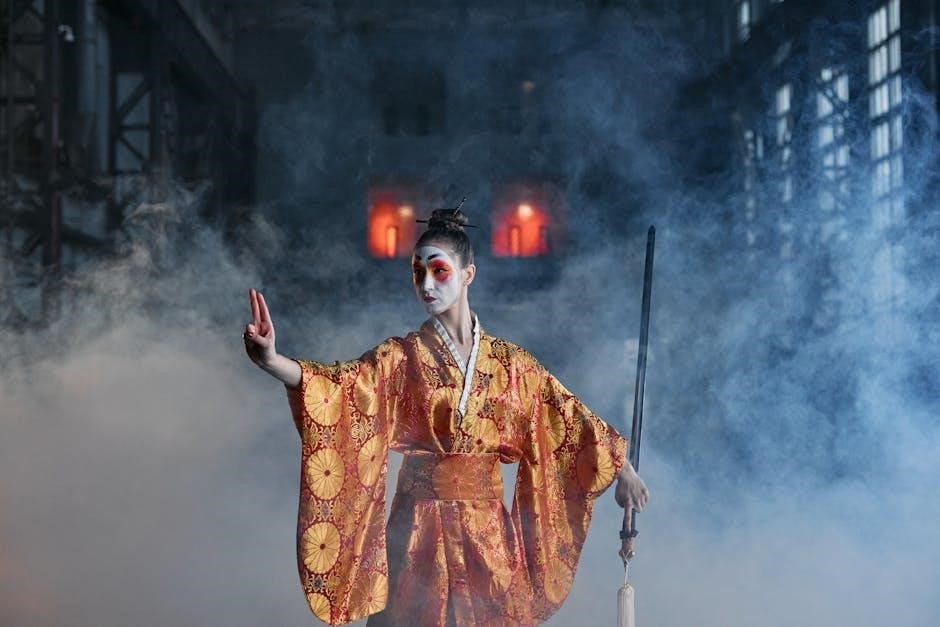
The Woman Warrior by Maxine Hong Kingston: A Comprehensive Guide
Maxine Hong Kingston’s groundbreaking memoir, The Woman Warrior, is readily available for download in PDF format from various online sources․ Numerous websites offer access to this influential work, allowing readers to explore Kingston’s intricate blend of autobiography and Chinese mythology․
Digital copies facilitate convenient study and analysis of the text, particularly for academic purposes, and provide access to the book’s compelling narrative for a wider audience․
Overview of the Memoir
Maxine Hong Kingston’s The Woman Warrior: Memoirs of a Girlhood Among Ghosts, published in 1976, is a seminal work of Asian American literature․ It transcends traditional autobiographical boundaries, weaving together personal experiences with Chinese folklore, mythology, and history․ The memoir isn’t a linear recounting of events, but rather a fragmented exploration of identity formation, particularly for a Chinese American woman navigating two cultures․
Kingston grapples with the silence surrounding her mother, Brave Orchid, and the unspoken traumas of her family’s past․ She attempts to understand her heritage through stories – both those told to her and those she constructs – often blurring the lines between fact and fiction․ The book is structured around five “talk-stories,” each addressing a different facet of Kingston’s upbringing and her struggle to find her voice․
Readers encounter tales of a “ghost” that haunts her family, the legend of Fa Mu Lan (the “woman warrior” of the title), and Kingston’s own experiences with racism and cultural alienation․ PDF versions of the memoir allow for detailed study of these complex narratives, enabling readers to trace the intricate connections between personal history and cultural myth․ The memoir’s power lies in its raw honesty and its willingness to confront difficult truths about family, gender, and identity․

Maxine Hong Kingston’s Background and Influences
Maxine Hong Kingston was born in 1940 in Stockton, California, to Chinese immigrant parents․ Her father, a laundryman, and her mother, Brave Orchid, profoundly shaped her worldview and, subsequently, her writing․ Growing up, Kingston experienced a cultural disconnect, feeling caught between American expectations and her parents’ traditional Chinese values․ This tension fueled her exploration of identity, a central theme in The Woman Warrior․
Kingston’s mother, a highly educated woman for her time, possessed a remarkable storytelling ability, though often shrouded in silence and secrecy․ These fragmented narratives, combined with Chinese folklore and myths, became foundational to Kingston’s literary imagination․ Her father’s reserved nature and the societal prejudices faced by Chinese Americans also left a lasting impact․
Academically, Kingston excelled, earning a B․A․ from the University of California, Berkeley, and later teaching creative writing; Accessing a PDF copy of her memoir allows for a deeper understanding of how these formative experiences – the immigrant experience, familial storytelling, and cultural clashes – coalesced into the unique narrative voice that defines her work․ Her background is crucial to interpreting the complex layers of The Woman Warrior․
Central Themes in The Woman Warrior
The Woman Warrior grapples with several interconnected themes, most prominently the complexities of Chinese-American identity and the challenges of navigating cultural duality․ Kingston explores the silencing of women, both within Chinese tradition and in American society, and the struggle to find a voice amidst conflicting expectations․
The memoir delves into the power of storytelling as a means of both preserving and distorting the past․ Kingston questions the veracity of her mother’s tales, recognizing their subjective nature while acknowledging their emotional truth․ Furthermore, the book examines the impact of trauma, particularly intergenerational trauma stemming from historical and societal oppression․
A PDF version of the text facilitates close reading and analysis of these themes, allowing readers to trace how Kingston interweaves personal experience, myth, and folklore to create a nuanced portrait of identity formation․ The exploration of female strength, resilience, and the search for self-definition are also central to the memoir’s enduring power and relevance․
The Significance of “Ghost” Stories
Within The Woman Warrior, “ghost” stories aren’t merely supernatural tales; they represent the haunting power of the past and the unresolved traumas that shape the present․ These narratives, often shared by Kingston’s mother, serve as warnings, lessons, and a means of explaining the inexplicable realities of their lives as Chinese-Americans․
The ghosts embody both ancestral spirits and the internalized oppression experienced by generations of women․ They symbolize the silencing of voices and the burden of unspoken histories․ Kingston utilizes these stories to explore the blurred lines between reality and myth, questioning their literal truth while acknowledging their profound psychological impact․
Accessing a PDF copy of the memoir allows for detailed examination of how Kingston structures these interwoven narratives․ The digital format enables focused analysis of the stylistic choices and thematic resonance of these “ghost” stories, revealing their crucial role in understanding the complexities of identity, memory, and cultural inheritance․
Exploring Chinese-American Identity
The Woman Warrior profoundly explores the complexities of Chinese-American identity, navigating the tensions between assimilation and cultural preservation․ Maxine Hong Kingston’s memoir delves into the challenges of growing up as a first-generation American, caught between the expectations of her Chinese immigrant parents and the demands of American society․
Kingston grapples with feelings of alienation, linguistic barriers, and the pressure to reconcile conflicting cultural values․ She examines how traditional Chinese beliefs and folklore intersect with her experiences in America, shaping her sense of self and belonging․ The memoir questions what it means to be both Chinese and American, rejecting simplistic definitions․
A readily available PDF version of the text facilitates close reading of Kingston’s nuanced portrayal of this identity formation․ Digital access allows for detailed annotation and analysis of her stylistic choices, revealing how she uses language and narrative structure to convey the multifaceted nature of the Chinese-American experience․
The Role of Mothers and Daughters
A central theme in The Woman Warrior is the intricate and often fraught relationship between mothers and daughters, particularly between Kingston and her mother, Brave Orchid․ The memoir explores how cultural expectations and unspoken traumas shape this dynamic, creating both conflict and a deep, albeit complicated, bond․
Kingston portrays her mother as a strong, resilient woman burdened by a difficult past in China, whose stories are both empowering and unsettling․ The daughter struggles to understand her mother’s silences and the weight of her experiences, attempting to decipher the meaning behind her often cryptic narratives․
Accessing a PDF copy of the work allows for focused examination of the dialogue and internal monologues that reveal the complexities of this mother-daughter relationship․ Readers can trace the patterns of communication, the inherited silences, and the daughter’s journey toward self-discovery through understanding her mother’s legacy․
Brave Orchid: A Complex Character Analysis
Brave Orchid, Kingston’s mother, emerges as a profoundly complex and multifaceted character within the memoir․ She is presented not simply as a maternal figure, but as a survivor, a storyteller, and a woman deeply shaped by the hardships of her life in China and her subsequent experiences as an immigrant in America․
Kingston portrays her mother with both admiration and frustration, acknowledging her strength while simultaneously grappling with the impact of her often harsh and enigmatic pronouncements․ Brave Orchid’s stories, though sometimes unsettling, are presented as attempts to impart wisdom and resilience to her daughter․
A PDF version of The Woman Warrior facilitates a close reading of Brave Orchid’s narratives and Kingston’s interpretations of them․ This allows for detailed analysis of her character’s motivations, her cultural background, and the ways in which she embodies both traditional Chinese values and the challenges of adapting to a new world․
Kingston’s Use of Myth and Folklore
Maxine Hong Kingston masterfully interweaves Chinese myth, folklore, and family stories throughout The Woman Warrior, blurring the lines between reality and imagination․ These narratives aren’t merely decorative elements; they are integral to understanding Kingston’s exploration of identity and her mother’s experiences․
Stories like those of Fa Mu Lan, the legendary woman warrior, serve as both inspiration and a point of contention for Kingston, who questions the veracity and implications of these tales․ The inclusion of these myths reflects a cultural heritage passed down through generations, shaping perceptions of womanhood and courage․
Accessing a PDF copy of the memoir allows for a focused examination of how Kingston employs these traditional narratives․ Readers can trace the recurring motifs, analyze the symbolic weight of specific myths, and understand how they contribute to the overall thematic concerns of the work, enriching the reading experience․
The “Woman Warrior” Archetype
The Woman Warrior doesn’t simply recount the story of a historical figure; it actively constructs and deconstructs the “woman warrior” archetype․ Maxine Hong Kingston uses the legend of Fa Mu Lan as a springboard to explore the complexities of female strength, resilience, and the burdens placed upon women within Chinese culture and the immigrant experience․
Kingston challenges traditional notions of heroism, questioning whether Fa Mu Lan’s motivations were truly patriotic or driven by familial obligation․ This nuanced portrayal extends to her mother, Brave Orchid, who embodies a different kind of warrior – one battling societal constraints and preserving cultural identity․
A readily available PDF version of the text facilitates a close reading of how Kingston subverts and reclaims this archetype․ Readers can meticulously analyze passages where Kingston grapples with the expectations associated with being a “woman warrior,” ultimately forging her own definition of strength and selfhood․
Analyzing the Structure of the Memoir
The Woman Warrior defies conventional memoir structure, intentionally fragmenting narrative timelines and blending personal experiences with Chinese myths and folklore․ Maxine Hong Kingston employs a non-linear approach, weaving together past and present, reality and imagination, creating a tapestry that mirrors the complexities of memory and identity․
This deliberate disruption challenges the reader to actively participate in constructing meaning, mirroring the author’s own struggle to reconcile her Chinese heritage with her American upbringing․ The episodic nature of the memoir, readily accessible through a PDF download, allows for focused examination of individual “talk-stories” and their interconnectedness․
Analyzing the structure reveals Kingston’s masterful use of repetition, symbolism, and shifting perspectives․ The PDF format enables detailed annotation and comparative analysis of these structural elements, highlighting how they contribute to the memoir’s overall thematic resonance and its exploration of cultural displacement․
Critical Reception and Impact
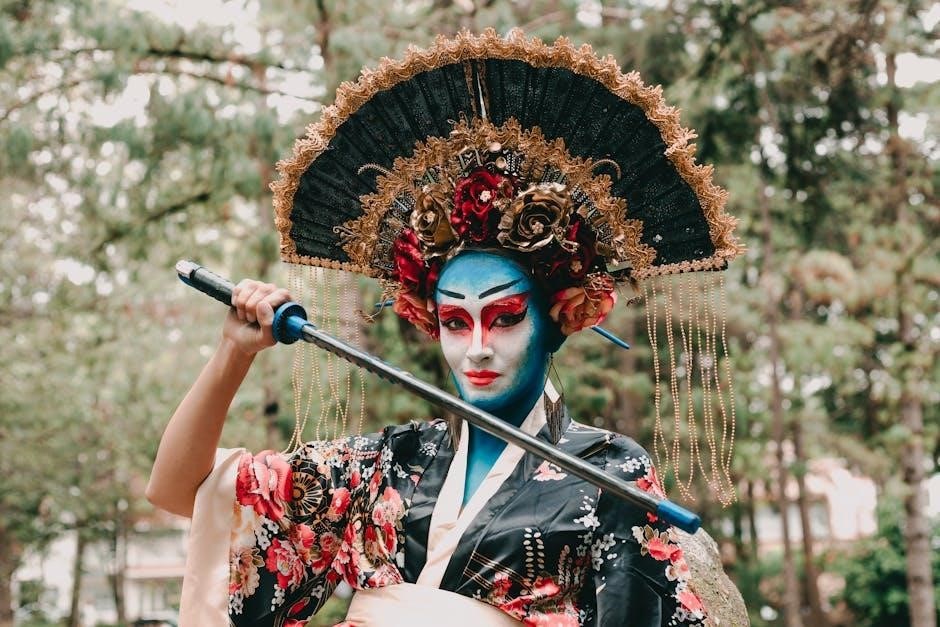
Upon its 1976 publication, The Woman Warrior sparked considerable debate and garnered both widespread acclaim and sharp criticism․ Praised for its innovative narrative style and powerful exploration of Chinese-American identity, the memoir won the National Book Critics Circle Award for Nonfiction․ However, some critics questioned the veracity of Kingston’s recollections, challenging the blending of fact and fiction within the text․
Despite these controversies, the book profoundly impacted Asian American literature and feminist thought, paving the way for more diverse voices and perspectives․ A readily available PDF version of The Woman Warrior has facilitated continued scholarly engagement and classroom study, ensuring its enduring relevance․
The memoir’s influence extends beyond literary circles, inspiring discussions about cultural assimilation, intergenerational trauma, and the complexities of female experience․ Accessing the text via PDF allows for close reading and critical analysis of its lasting impact on American literature and cultural discourse․

Finding and Downloading the PDF Version
Locating a PDF version of The Woman Warrior by Maxine Hong Kingston requires careful navigation of online resources․ While official publishers’ websites may offer excerpts or require purchase, numerous academic and digital libraries provide access to the complete text․ Websites specializing in free ebook downloads often list the memoir, though verifying the legitimacy and safety of these sources is crucial․
A simple online search using keywords like “The Woman Warrior PDF download” yields a variety of results․ Platforms like Internet Archive and university repositories are reliable options for obtaining a legally accessible PDF copy․ Be mindful of copyright restrictions and prioritize sources that ensure ethical distribution․
Exercise caution when downloading from unfamiliar websites, scanning files for viruses before opening them․ The availability of a PDF version greatly enhances accessibility for students, researchers, and readers worldwide, fostering wider engagement with Kingston’s seminal work․

Availability of Audiobook Versions
While a readily available PDF version of The Woman Warrior caters to visual learners, many prefer experiencing Maxine Hong Kingston’s memoir through an audiobook format․ Several platforms offer the audiobook, providing an alternative way to engage with the complex narrative and nuanced prose․ Audible, a leading audiobook provider, typically features The Woman Warrior in its catalog, often with sample excerpts for preview;
Other audiobook services, such as Google Play Books and Kobo, may also carry the title․ Library systems increasingly offer digital audiobook lending, allowing patrons to borrow the audiobook version at no cost․ Checking your local library’s online resources is a valuable step in accessing this format․
The audiobook format allows listeners to fully immerse themselves in the story, benefiting from a skilled narrator’s interpretation of Kingston’s voice and the cultural context of the memoir․ This provides a different, yet equally compelling, experience compared to reading the PDF version․
Similar Works and Further Reading
Readers captivated by Maxine Hong Kingston’s The Woman Warrior, and those seeking further exploration after reading the PDF version, will find resonance in several related works․ Amy Tan’s The Joy Luck Club offers a similarly poignant exploration of mother-daughter relationships and Chinese-American identity, weaving together multiple narratives․
China Men by Maxine Hong Kingston herself provides a companion piece, focusing on the experiences of Chinese men in America․ David Guterson’s Snow Falling on Cedars, while set in a different cultural context, shares a thematic concern with memory, identity, and the weight of the past․
For academic exploration, consider works on Asian-American literature and feminist memoir․ Lisa See’s novels, such as Snow Flower and the Secret Fan, offer insights into Chinese culture and female experiences․ These texts, alongside critical essays on Kingston’s work, will enrich your understanding of the themes presented in The Woman Warrior․
Academic Resources and Scholarly Articles
Numerous academic resources delve into the complexities of Maxine Hong Kingston’s The Woman Warrior, offering critical perspectives for those studying the text, even after accessing a PDF copy․ JSTOR and Project MUSE host a wealth of scholarly articles analyzing the memoir’s themes of identity, myth, and gender․
Specifically, research the critical reception of the work, noting debates surrounding its autobiographical accuracy and its representation of Chinese-American experiences․ Look for articles exploring Kingston’s innovative use of narrative structure and her blending of genres․
Databases like MLA International Bibliography provide comprehensive listings of relevant publications․ University library websites often offer access to these resources․ Furthermore, consider exploring dissertations and theses focused on Kingston’s work for in-depth analysis․ Examining these scholarly sources will significantly enhance your understanding of the memoir’s enduring significance and its place within literary studies․