Article Plan: Post Construction Cleaning Checklist PDF
This article details creating a comprehensive PDF checklist for post-construction cleanup, covering debris removal, floor types, and safety. It emphasizes efficient, secure data handling and adaptable inspection processes.
Post-construction cleaning represents a critical, yet often underestimated, phase of any building project. It transitions a space from a chaotic worksite to a habitable and presentable environment. This process differs significantly from routine cleaning, demanding a specialized approach to tackle substantial debris, dust, and residue left behind by construction activities.
Effective post-construction cleaning isn’t merely about aesthetics; it directly impacts air quality, safety, and the longevity of the building’s finishes. Ignoring this stage can lead to health hazards from lingering dust particles, damage to sensitive surfaces, and potential issues with building systems. A well-defined plan, often formalized as a post-construction cleaning checklist PDF, is therefore essential.
This guide will explore the intricacies of this cleaning process, providing a detailed roadmap for achieving a spotless and healthy space. We’ll delve into the necessary tools, supplies, and a step-by-step checklist to ensure no detail is overlooked, ultimately delivering a finished product that meets the highest standards.
Why a Checklist is Crucial
Employing a post-construction cleaning checklist PDF isn’t simply about organization; it’s about ensuring a comprehensive and consistent cleaning process. Construction generates unique messes – from fine dust penetrating every crevice to stubborn adhesive residues – requiring a systematic approach beyond standard cleaning routines.
A detailed checklist minimizes the risk of overlooking critical areas or tasks. It provides a clear scope of work for cleaning crews, promoting accountability and reducing errors. This is particularly vital in larger projects with multiple phases and contractors involved. Furthermore, a checklist facilitates communication and ensures everyone understands the expected level of cleanliness.
Using a PDF format allows for easy distribution, printing, and digital tracking of progress. It serves as a valuable reference point during inspections and sign-offs, demonstrating a commitment to quality and client satisfaction. Ultimately, a checklist transforms post-construction cleaning from a reactive task into a proactive, manageable process.
Understanding the Stages of Cleaning
Post-construction cleaning isn’t a single event; it unfolds in distinct stages, each demanding specific techniques and attention. The process typically begins with Rough Cleaning – the immediate removal of large debris like wood scraps, drywall pieces, and packaging materials. This initial sweep focuses on making the space accessible and safe.
Next comes Intermediate Cleaning, tackling heavier dust accumulation, plaster residue, and paint splatters. This stage often involves vacuuming with HEPA filters and wiping down surfaces. It prepares the area for detailed work.
Finally, Final Cleaning (Detailed Cleaning) addresses the finer details – polishing floors, cleaning windows, sanitizing bathrooms and kitchens, and ensuring all surfaces are spotless. This stage aims for a move-in ready condition. Recognizing these stages allows for efficient resource allocation and a systematic approach to achieving a truly clean space, documented within your post-construction cleaning checklist PDF.
Rough Cleaning (Initial Cleanup)
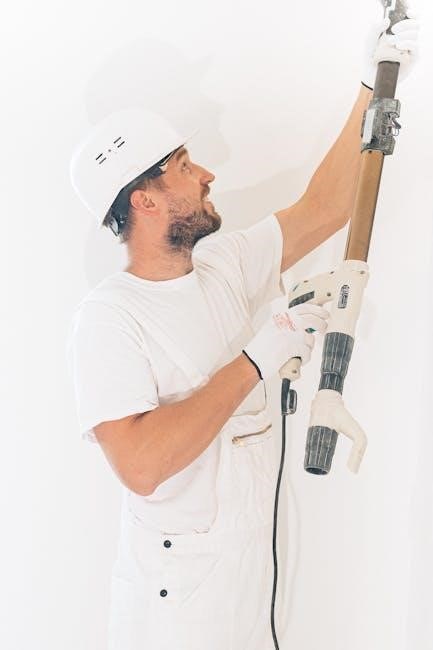
Rough cleaning is the foundational step in post-construction cleanup, prioritizing safety and accessibility. This initial phase focuses on removing large debris – construction materials like wood, drywall, metal scraps, and discarded packaging. Personal Protective Equipment (PPE), including masks and gloves, is crucial during this stage due to airborne particles and potential hazards.
The goal isn’t deep cleaning, but rather creating a navigable workspace for subsequent stages. Utilize large trash bins and heavy-duty vacuum cleaners (with HEPA filters) to efficiently collect debris. Pay close attention to corners, under equipment, and areas prone to accumulation. Documenting the completion of this stage within your post-construction cleaning checklist PDF ensures nothing is overlooked before moving forward. This initial sweep significantly reduces dust and prepares the site for more detailed cleaning efforts.
Intermediate Cleaning
Intermediate cleaning bridges the gap between rough cleanup and detailed finishing. Following debris removal, this stage tackles embedded dust, light grime, and remaining construction residue. Focus shifts to more precise cleaning tasks, utilizing appropriate cleaning solutions – prioritizing eco-friendly options where possible – and specialized tools.
This involves thorough vacuuming of all surfaces, including walls and ceilings, to capture lingering dust particles. Wipe down surfaces with damp cloths to remove smudges and fingerprints. Begin addressing specific areas like windows and doors, but avoid intensive detailing at this point. Regularly updating the post-construction cleaning checklist PDF with completed tasks is vital for tracking progress. Intermediate cleaning prepares the space for the final, meticulous cleaning phase, ensuring a more efficient and effective outcome.
Final Cleaning (Detailed Cleaning)
Final cleaning represents the most intensive phase, transforming a construction site into a habitable space. This stage demands meticulous attention to detail, focusing on polishing, sanitizing, and ensuring every surface is spotless. Referencing the post-construction cleaning checklist PDF is crucial to avoid omissions.
Tasks include deep cleaning bathrooms and kitchens, paying close attention to appliances and countertops. Window and glass cleaning should be streak-free, and floors thoroughly cleaned based on their material – hardwood, tile, or carpet. Walls receive a final wipe-down to remove any remaining marks. HVAC system cleaning, including ductwork, is essential for air quality. This detailed approach guarantees a healthy and welcoming environment. A final inspection, documented within the checklist, confirms completion and readiness for occupancy.
Essential Tools and Supplies
A successful post-construction clean requires the right tools and supplies, detailed within a comprehensive post-construction cleaning checklist PDF. Vacuum cleaners with HEPA filters are paramount for capturing fine dust and debris, crucial for air quality. Consider both standard vacuums and specialized equipment for tight spaces.
Cleaning solutions should be effective yet mindful of surfaces – eco-friendly options are increasingly preferred. Stock up on disinfectants, degreasers, and specialized cleaners for different materials. Personal Protective Equipment (PPE) is non-negotiable; this includes gloves, masks (N95 or higher), eye protection, and appropriate footwear. Don’t forget microfiber cloths, mops, buckets, scrapers, and brushes. Having everything readily available streamlines the cleaning process and ensures safety.
Vacuum Cleaners (HEPA Filters)
Selecting the right vacuum cleaner is critical for post-construction cleaning, as detailed in a thorough post-construction cleaning checklist PDF. Standard vacuums often fail to capture the fine dust – silica, drywall, and wood particles – prevalent on job sites. HEPA (High-Efficiency Particulate Air) filters are essential; they trap 99.97% of particles 0.3 microns in size, improving indoor air quality and protecting cleaner health.
Consider wet/dry vacuums for handling both dry debris and liquid spills. Backpack vacuums offer maneuverability in tight spaces. Multiple vacuums may be needed for larger projects. Regularly replace or clean HEPA filters to maintain optimal performance. Proper vacuuming is a foundational step in any post-construction cleaning checklist, ensuring a healthy and habitable space.
Cleaning Solutions (Eco-Friendly Options)
A comprehensive post-construction cleaning checklist PDF should address cleaning solutions. While powerful chemicals exist, prioritizing eco-friendly options benefits both health and the environment. Look for biodegradable, low-VOC (Volatile Organic Compounds) products. These minimize off-gassing and reduce respiratory irritation – crucial after construction.
Effective eco-friendly choices include vinegar and baking soda for general cleaning, enzyme-based cleaners for organic stains, and plant-derived detergents. Always test solutions in an inconspicuous area first. Ensure compatibility with surfaces outlined in your post-construction cleaning checklist. Properly dilute concentrated solutions. Consider the safety data sheets (SDS) for all products, even eco-friendly ones, and incorporate this information into your detailed cleaning checklist.
Personal Protective Equipment (PPE)
A thorough post-construction cleaning checklist PDF must emphasize Personal Protective Equipment (PPE). Construction generates dust, debris, and potential chemical exposure, demanding robust safety measures. Essential PPE includes N95 or higher-rated respirators to protect against particulate matter – a critical component of any cleaning checklist.
Wear safety glasses or goggles to shield eyes from flying debris and cleaning splashes. Durable gloves (nitrile or rubber) are vital for handling cleaning solutions and preventing skin contact. Consider protective clothing, like disposable coveralls, to prevent contamination of personal attire. Steel-toe boots offer foot protection. Your post-construction cleaning checklist should explicitly list required PPE for each cleaning stage. Regular inspection and proper disposal of used PPE are also crucial safety considerations.
Detailed Post Construction Cleaning Checklist
A comprehensive post-construction cleaning checklist PDF is the cornerstone of a successful project closeout. This detailed list should begin with complete debris removal – encompassing all construction materials, packaging, and waste. Thorough dusting of all surfaces, including ceilings, walls, and fixtures, follows.
Next, the checklist must detail floor cleaning procedures, categorized by floor type (hardwood, tile, carpet – see dedicated sections). Window and glass cleaning, wall washing (addressing paint and wallpaper), and meticulous bathroom and kitchen sanitization are essential. Don’t overlook HVAC system cleaning, including ductwork inspection and cleaning. Each task should be clearly defined, with assigned responsibility and completion criteria. A well-structured checklist ensures no area is missed, guaranteeing a spotless and safe environment.
Debris Removal & Dusting
Debris removal is the initial, crucial step in post-construction cleaning. This involves collecting and disposing of all construction waste – wood scraps, drywall, packaging materials, and discarded fixtures. Prioritize safety; utilize appropriate PPE (gloves, masks, eye protection) and follow local waste disposal regulations.
Following debris removal, comprehensive dusting is paramount. Begin with ceilings, removing dust and cobwebs. Then, proceed to walls, light fixtures, and all horizontal surfaces. Utilize HEPA-filter vacuums to capture fine particles, preventing their redistribution. Pay close attention to corners, edges, and hard-to-reach areas. A systematic approach, working from top to bottom, ensures thorough dust removal, preparing surfaces for deeper cleaning stages. This initial phase significantly improves air quality and sets the stage for a pristine finish.
Floor Cleaning (Different Floor Types)
Floor cleaning requires tailored approaches based on material. Hardwood floors demand gentle cleaning – vacuuming with a soft brush attachment, followed by a pH-neutral wood cleaner. Avoid excessive moisture to prevent warping. Tile and grout necessitate a stronger approach; use a tile cleaner and a grout brush to remove embedded dirt. Consider a grout sealer post-cleaning to protect against future staining.
Carpet cleaning is often the most intensive. Thorough vacuuming is essential, followed by deep cleaning – either steam cleaning or hot water extraction. Pre-treating stains is crucial for optimal results. Ensure proper ventilation during and after cleaning to facilitate drying and prevent mold growth. Always test cleaning solutions in an inconspicuous area first to verify colorfastness and material compatibility. A systematic cleaning pattern ensures complete coverage.
Hardwood Floor Cleaning
Hardwood floors require a delicate cleaning process to maintain their finish and prevent damage. Begin with a thorough vacuuming using a soft brush attachment to remove loose debris, dust, and construction remnants. Avoid using vacuum cleaners with beater bars, as they can scratch the surface.
Next, employ a wood floor cleaner specifically formulated for your floor’s finish – polyurethane, wax, or oil. Dilute the cleaner according to the manufacturer’s instructions and apply it with a microfiber mop; Avoid excessive moisture; the mop should be damp, not wet. Wipe the floor in the direction of the wood grain. For stubborn marks, a specialized hardwood floor stain remover may be necessary. Always test any cleaning solution in an inconspicuous area first to ensure compatibility and prevent discoloration.

Tile and Grout Cleaning
Tile and grout present a unique cleaning challenge due to their porous nature and susceptibility to staining from construction materials. Start by sweeping or vacuuming to remove loose debris. Then, utilize a pH-neutral tile cleaner diluted in warm water. Apply the solution with a mop or sponge, scrubbing the grout lines with a stiff-bristled brush.
For heavily soiled grout, a grout-specific cleaner or a paste of baking soda and water can be effective. Allow the cleaner to dwell for a few minutes before scrubbing and rinsing thoroughly with clean water. Steam cleaning is an excellent option for deep cleaning and sanitizing tile and grout. Ensure proper ventilation during and after cleaning. Inspect grout for cracks or damage and address them promptly to prevent further soiling and water penetration. Always test cleaning solutions in an inconspicuous area first.
Carpet Cleaning
Post-construction carpets accumulate dust, debris, and potentially damaging materials like drywall dust and paint splatters. Begin with a thorough vacuuming using a HEPA filter vacuum to capture fine particles. For new carpets, check manufacturer recommendations regarding initial cleaning. Deep cleaning is crucial; consider professional steam cleaning for optimal results.
Pre-treat stubborn stains with appropriate carpet stain removers, testing in an inconspicuous area first. Avoid harsh chemicals that could damage carpet fibers. Steam cleaning effectively removes embedded dirt and allergens, improving indoor air quality. Ensure carpets are completely dry to prevent mold growth. Address any carpet damage, such as tears or burns, before final inspection. Regular vacuuming post-cleaning will maintain carpet cleanliness and extend its lifespan. Prioritize a low-moisture cleaning method if possible.
Window and Glass Cleaning
Post-construction windows and glass surfaces are often covered in dust, fingerprints, and adhesive residue; Begin by removing loose debris with a soft brush or vacuum attachment. Prepare a cleaning solution of warm water and a glass cleaner – eco-friendly options are preferred. Apply the solution using a microfiber cloth or spray bottle.
Wipe windows in overlapping strokes, working from top to bottom. For stubborn residue, use a scraper carefully to avoid scratches. Clean window frames and sills simultaneously. Pay attention to interior and exterior surfaces, ensuring streak-free clarity. Inspect for any cracks or damage during cleaning. Dry glass with a clean, dry microfiber cloth or squeegee. Proper window cleaning enhances natural light and improves the overall aesthetic of the space. Safety is paramount when cleaning high windows.
Wall Cleaning (Paint & Wallpaper)
Post-construction walls accumulate dust, paint splatters, and drywall residue. Begin with gentle dusting using a microfiber cloth or a vacuum with a soft brush attachment, working from ceiling to floor. For painted surfaces, a mild detergent solution (water and dish soap) is often effective. Test the solution in an inconspicuous area first to ensure it doesn’t damage the paint.
Gently wipe the walls with a damp cloth, rinsing frequently. Avoid excessive moisture, which can cause paint blistering. Wallpaper requires more delicate handling; use a specialized wallpaper cleaner or a very lightly dampened cloth. Blot, don’t rub, to prevent damage. Address any scuff marks or stubborn stains with a magic eraser cautiously. Inspect for paint touch-ups or wallpaper repairs. Ensure proper ventilation during cleaning to aid drying and minimize odors.
Bathroom Cleaning & Sanitization
Bathrooms, post-construction, are hotspots for dust, debris, and potential mold growth. Begin by removing all construction materials and debris. Thoroughly clean all surfaces – countertops, sinks, toilets, showers, and floors – with a multi-purpose cleaner. Pay close attention to grout lines, using a grout brush and appropriate cleaner to remove grime.
Sanitization is crucial; disinfect all frequently touched surfaces like faucets, doorknobs, and toilet handles with a hospital-grade disinfectant. Inspect and clean mirrors and shower doors, removing any residue. Ensure proper ventilation during cleaning. Check for leaks around plumbing fixtures. Finally, address any lingering odors with an air freshener or odor eliminator. A detailed inspection ensures a hygienic and welcoming bathroom space.
Kitchen Cleaning (Appliances & Countertops)
Kitchens require meticulous cleaning after construction due to dust, drywall residue, and potential food-related debris. Begin by removing all construction materials. Clean all countertops thoroughly, selecting a cleaner appropriate for the material (granite, quartz, laminate). Pay special attention to edges and seams.
Appliances need individual attention. Clean the interior and exterior of refrigerators, ovens, dishwashers, and microwaves; Remove any protective film. Wipe down cabinet doors and drawers, inside and out. Sanitize sinks and faucets. Inspect and clean the backsplash. Finally, sweep and mop the floor, ensuring all residue is removed. A spotless kitchen is essential for functionality and hygiene, demanding a detailed checklist approach.
HVAC System Cleaning (Ductwork)
Construction generates substantial dust and debris that inevitably enters HVAC systems, compromising air quality and system efficiency. A thorough ductwork cleaning is crucial. Begin by inspecting accessible ductwork for visible debris. Utilize a HEPA-filtered vacuum with appropriate attachments to remove dust, drywall particles, and construction materials from vents and ducts.
Consider professional duct cleaning for comprehensive results, especially for extensive systems. Clean or replace air filters. Wipe down exterior HVAC unit surfaces. Ensure proper airflow is restored after cleaning. Neglecting this step can lead to poor indoor air quality and increased energy consumption. Document the cleaning process on the checklist, noting any issues discovered and addressed, ensuring a healthy environment.
Creating a PDF Checklist for Easy Use
Transforming your post-construction cleaning checklist into a PDF format enhances usability and portability. Utilize software like Microsoft Word, Google Docs, or dedicated checklist creators to design a clear, concise document. Incorporate checkboxes for each task, allowing for easy progress tracking. Categorize tasks logically, mirroring the article’s structure – debris removal, floor cleaning, bathroom sanitization, etc.
Ensure the PDF is easily printable and shareable with cleaning crews and project managers. Consider adding a section for notes and sign-offs, verifying completion. A well-designed PDF checklist streamlines the cleaning process, minimizes errors, and provides a documented record of work performed. This digital format facilitates efficient communication and accountability throughout the project lifecycle, improving overall project quality.
Safety Considerations During Cleaning
Post-construction cleaning presents unique safety hazards requiring diligent precautions. Always prioritize Personal Protective Equipment (PPE) – including gloves, masks (especially HEPA-rated for dust), eye protection, and sturdy footwear. Be mindful of sharp debris like nails, glass, and wood splinters; utilize appropriate disposal containers.
Ensure adequate ventilation when using cleaning solutions, even eco-friendly options, to avoid respiratory irritation. Clearly mark wet floor areas to prevent slips and falls. Exercise caution around electrical systems and exposed wiring. Proper training on chemical handling and safety protocols is crucial for all cleaning personnel. A comprehensive safety briefing before commencing work minimizes risks and promotes a secure cleaning environment, safeguarding the health of the cleaning team.
Checklist Customization for Specific Projects
A standardized post-construction cleaning checklist is a strong foundation, but adaptability is key. Project scope significantly impacts cleaning needs; a simple renovation differs vastly from new construction. Tailor the checklist based on materials used – tile, hardwood, carpet – requiring specific cleaning methods.
Consider the building’s purpose: healthcare facilities demand higher sanitization levels than retail spaces. Account for specialized equipment installed, like HVAC systems needing ductwork cleaning. Document any unique project requirements or client expectations directly on the checklist. Regularly review and update the checklist based on lessons learned from previous projects, ensuring continuous improvement and efficient, targeted cleaning efforts. This ensures comprehensive coverage and client satisfaction.
Post-Cleaning Inspection & Sign-Off
The final stage – a thorough inspection – validates cleaning quality. Utilize the completed checklist as a guide, systematically verifying each item. Document any deficiencies with photos and detailed notes. This provides clear evidence for addressing outstanding issues.
A formal sign-off process is crucial. Involve the client, project manager, and cleaning crew representative. The sign-off confirms satisfactory completion, preventing disputes. A digital checklist with electronic signatures streamlines this process. Retain signed checklists for project records, demonstrating accountability and adherence to standards. This documentation protects all parties involved and ensures a transparent, professional conclusion to the post-construction cleaning phase.