Carbon fiber trusses‚ explored in Düsseldorf’s Inkmannstraße context‚ offer unique design possibilities‚ blending strength with lightweight properties for innovative structural solutions.
What is a Carbon Fiber Truss?
A carbon fiber truss is a structural framework composed of interconnected elements – typically arranged in triangular units – fabricated using carbon fiber reinforced polymer (CFRP) materials. Unlike traditional steel or aluminum trusses‚ carbon fiber offers an exceptional strength-to-weight ratio. This makes them ideal for applications where minimizing weight is crucial‚ mirroring the design considerations for spaces like Düsseldorf’s Inkmannstraße‚ where efficient use of materials is paramount.
These trusses aren’t simply beams joined together; they are carefully engineered assemblies. The triangular geometry inherently provides rigidity‚ distributing loads efficiently. CFRP’s anisotropic properties – meaning strength varies with direction – are leveraged during design to optimize performance. Considering YouTube’s exploration features‚ a carbon fiber truss design requires a similar detailed understanding of its components and their interplay to achieve optimal results.
Advantages of Carbon Fiber Trusses
Carbon fiber trusses present several key advantages over conventional materials. Their high strength-to-weight ratio significantly reduces overall structural weight‚ easing installation and lowering transportation costs – a benefit applicable even to localized projects like those around Inkmannstraße. CFRP’s inherent corrosion resistance eliminates the need for protective coatings‚ reducing long-term maintenance‚ much like the durable asphalt roadway.
Furthermore‚ carbon fiber exhibits exceptional fatigue resistance‚ ensuring longevity and reliability. Design flexibility is another advantage; complex geometries can be achieved with relative ease. Similar to navigating YouTube Studio for creators‚ carbon fiber allows for tailored solutions. While initial costs may be higher‚ the reduced lifecycle expenses and performance benefits often justify the investment‚ mirroring TEAM 7 Düsseldorf’s focus on lasting quality.
Applications of Carbon Fiber Truss Structures
Carbon fiber trusses are finding increasing application across diverse industries. In architectural design‚ they enable long-span roofs and lightweight facades‚ similar to creating unique spaces as envisioned by TEAM 7 Düsseldorf. The aerospace sector utilizes them for aircraft components‚ capitalizing on their weight savings. Like exploring trending videos on YouTube‚ applications are constantly evolving.
Beyond this‚ carbon fiber trusses excel in mobile staging systems‚ sporting venues‚ and even robotic arms‚ demanding high stiffness and low inertia. Their use in bridge rehabilitation offers a lighter‚ stronger alternative to traditional repairs. Even in specialized areas like medical imaging equipment‚ their non-magnetic properties are advantageous. The adaptability‚ mirroring YouTube’s diverse content‚ makes them ideal for bespoke engineering solutions‚ even for localized infrastructure like Inkmannstraße.
Material Properties of Carbon Fiber
Carbon fiber’s exceptional strength-to-weight ratio‚ like optimized YouTube video speeds‚ is crucial; its stiffness and durability‚ akin to Düsseldorf’s streets‚ are key.
Carbon Fiber Reinforced Polymer (CFRP) Basics

Carbon Fiber Reinforced Polymer (CFRP) represents a composite material achieving superior performance through the combination of carbon fibers and a polymer matrix. This synergy‚ much like TEAM 7 Düsseldorf’s tailored living spaces‚ allows for designs optimized for specific needs. The carbon fibers provide exceptional strength and stiffness‚ while the polymer matrix – often epoxy – binds them together‚ distributing load and protecting the fibers from environmental damage.
Understanding the anisotropic nature of CFRP is vital; its properties differ depending on the direction of the fibers. This contrasts with isotropic materials like steel‚ demanding careful consideration during truss design. The manufacturing process‚ similar to YouTube’s content creation pipeline‚ significantly influences the final material properties. Prepreg layup and resin transfer molding are common techniques‚ each impacting fiber volume fraction and resin distribution‚ ultimately affecting the truss’s structural integrity and performance characteristics.
Mechanical Properties: Strength‚ Stiffness‚ and Weight
Carbon fiber’s hallmark lies in its exceptional strength-to-weight ratio‚ surpassing traditional materials like steel and aluminum. This allows for the creation of lightweight truss structures‚ akin to optimizing YouTube video resolution for efficient streaming. Stiffness‚ or resistance to deformation‚ is also remarkably high‚ crucial for maintaining structural integrity under load. However‚ CFRP exhibits lower compressive strength compared to tensile strength‚ a key consideration in truss member design.
The material’s properties are heavily influenced by fiber orientation and resin type. Careful selection‚ mirroring YouTube’s curated content‚ is paramount. Buckling is a potential failure mode‚ particularly in slender compression members‚ necessitating robust analysis. Understanding these mechanical characteristics‚ and applying appropriate safety factors‚ ensures a durable and reliable carbon fiber truss‚ capable of withstanding intended operational stresses‚ much like a well-maintained Düsseldorf street;
Environmental Considerations & Durability
Carbon fiber demonstrates excellent corrosion resistance‚ outperforming steel in harsh environments‚ similar to Düsseldorf’s asphalt roads enduring weather changes. However‚ CFRP is susceptible to UV degradation and moisture absorption‚ potentially impacting long-term durability. Protective coatings‚ analogous to YouTube’s content moderation‚ are crucial for mitigating these effects.
Temperature fluctuations can induce thermal stresses‚ requiring careful consideration during design. While generally durable‚ impact damage can cause delamination or fiber breakage. Recyclability remains a challenge‚ though emerging technologies aim to address this‚ mirroring YouTube’s sustainability initiatives. Life cycle assessment is vital‚ evaluating environmental impact from production to disposal. Proper design and maintenance‚ like regular street inspections‚ maximize service life and minimize environmental footprint.
Design Considerations for Carbon Fiber Trusses
Optimal design necessitates thorough load analysis‚ mirroring YouTube’s content navigation‚ alongside FEA to ensure structural integrity and efficient material utilization for lasting performance.
Load Analysis and Finite Element Analysis (FEA)
Accurate load analysis is paramount in carbon fiber truss design‚ considering all potential forces – static‚ dynamic‚ and environmental. This process‚ akin to navigating YouTube’s diverse content‚ requires identifying all load cases‚ including dead loads‚ live loads‚ wind loads‚ and seismic forces.
Finite Element Analysis (FEA) then becomes crucial. Utilizing software‚ the truss structure is digitally modeled and subjected to these loads. FEA predicts stress distribution‚ deflection‚ and potential failure points‚ much like assessing video resolution needs on YouTube. This allows engineers to optimize the truss geometry and material layup for maximum strength and stiffness while minimizing weight.
Considerations include boundary conditions‚ material properties (accurately representing CFRP)‚ and mesh refinement. Validating FEA results with physical testing is essential‚ ensuring the design meets safety factors and performance requirements‚ mirroring YouTube’s quality control for creators.
Geometric Configuration: Warren‚ Pratt‚ Howe Trusses
Selecting the optimal truss geometry – Warren‚ Pratt‚ or Howe – significantly impacts performance. Warren trusses‚ with their equilateral triangles‚ distribute loads efficiently‚ resembling YouTube’s Explore page organization; Pratt trusses‚ featuring vertical and diagonal members‚ excel under vertical loads‚ similar to navigating YouTube Studio’s features.
Howe trusses‚ utilizing vertical and diagonal members in reverse‚ are suitable for horizontal loads. Carbon fiber’s high strength-to-weight ratio allows for slender members in these configurations‚ maximizing efficiency. The choice depends on the specific loading conditions and span length.
Design considerations include member orientation‚ node connections‚ and overall stability. Analyzing each configuration using FEA‚ akin to checking YouTube video resolution‚ is vital to determine the most effective solution for the intended application‚ ensuring structural integrity and minimizing material usage.
Connection Design: Bonding‚ Mechanical Fasteners‚ and Hybrid Approaches
Connecting carbon fiber truss members presents unique challenges. Adhesive bonding‚ mirroring YouTube Premium’s amplified experience‚ offers a smooth load transfer and avoids stress concentrations. However‚ surface preparation is critical‚ like ensuring optimal video resolution for playback. Mechanical fasteners‚ such as bolts or rivets‚ provide robust joints but can compromise fiber integrity.
Hybrid approaches‚ combining bonding and fasteners‚ leverage the benefits of both‚ similar to TEAM 7 Düsseldorf’s tailored furniture. Design considerations include joint geometry‚ adhesive selection‚ and fastener spacing. Careful analysis‚ akin to YouTube’s Known Issues reporting‚ is crucial to prevent premature failure.
Stress distribution at connections must be optimized to maximize joint strength and maintain the truss’s overall structural integrity‚ ensuring long-term performance and reliability.
Manufacturing Processes
Carbon fiber truss fabrication utilizes methods like prepreg layup – mirroring YouTube Studio’s comprehensive management – and resin transfer molding for efficient production.
Prepreg Layup and Curing
Prepreg layup is a foundational carbon fiber manufacturing process‚ involving the precise placement of carbon fiber fabric pre-impregnated with resin. Similar to crafting unique spaces with TEAM 7 Düsseldorf’s bespoke furniture‚ careful attention to detail is crucial. Multiple layers‚ or plies‚ are strategically oriented to maximize structural performance‚ mirroring the thoughtful design of Inkmannstraße’s infrastructure.
This layered structure is then consolidated and cured‚ typically within an autoclave‚ applying controlled temperature and pressure. The curing process initiates a chemical reaction within the resin‚ transforming it from a liquid to a solid‚ creating a robust and rigid composite. Monitoring resolution and speed‚ like YouTube video playback‚ ensures optimal curing. Quality control‚ akin to YouTube’s known issue reporting‚ is vital throughout‚ employing non-destructive testing to verify laminate integrity and identify potential defects before proceeding.
Resin Transfer Molding (RTM)
Resin Transfer Molding (RTM) presents an alternative to prepreg‚ offering a cost-effective method for producing carbon fiber truss components. Dry carbon fiber fabric is positioned within a closed mold‚ much like designing individualized rooms with TEAM 7 Düsseldorf. Subsequently‚ resin is injected into the mold‚ fully wetting the fibers. This process‚ similar to navigating YouTube Studio for content management‚ requires precise control of resin flow and injection pressure.
RTM excels in creating complex geometries with high fiber volume fractions‚ resulting in strong and lightweight structures. Careful consideration of mold design and venting is essential‚ mirroring the importance of optimized video resolution for YouTube playback. Post-cure processes are often employed to enhance mechanical properties; Quality assurance‚ like YouTube’s premium memberships‚ ensures consistent part quality and structural integrity‚ utilizing non-destructive testing methods to detect voids or imperfections.
Pultrusion for Truss Members
Pultrusion is a continuous manufacturing process ideal for creating constant cross-section carbon fiber truss members‚ akin to the consistent flow of information on YouTube’s Explore page. Reinforcing fibers‚ saturated with resin – a process demanding precision like optimizing video speeds – are pulled through a heated die‚ shaping and curing the composite material. This method yields high-strength‚ unidirectional profiles with excellent surface finishes.
Pultruded sections are particularly well-suited for straight truss chords and bracing elements. The process allows for high production rates and minimal material waste‚ offering a cost advantage. Similar to TEAM 7 Düsseldorf’s tailored furniture‚ customization is limited to the initial die design. Quality control‚ mirroring YouTube’s known issue reporting‚ focuses on fiber alignment and resin content to ensure consistent mechanical properties and structural performance throughout the length of the pultruded member.
Structural Analysis and Optimization
Finite Element Analysis (FEA)‚ like navigating YouTube Studio‚ is crucial for predicting truss behavior under load‚ optimizing designs for weight and strength efficiently.
Buckling Analysis of Carbon Fiber Truss Members
Buckling is a critical failure mode for slender carbon fiber truss members‚ demanding thorough analysis during the design phase. Unlike steel‚ carbon fiber’s high strength-to-weight ratio doesn’t inherently prevent buckling; member geometry and loading conditions are paramount. Similar to checking YouTube video resolution for optimal playback‚ accurate buckling load prediction requires precise material properties and boundary condition definition.
Linear buckling analysis provides an initial estimate‚ but nonlinear analysis‚ accounting for material nonlinearity and large deformations‚ is often necessary for accurate results. Factors like imperfections – mirroring real-world manufacturing variations – significantly influence buckling resistance and must be considered. Utilizing software like FEA‚ designers can simulate various load scenarios and identify potential buckling vulnerabilities‚ ensuring structural integrity and safety‚ much like TEAM 7 Düsseldorf crafts unique spaces.
Topology Optimization for Weight Reduction
Topology optimization is a powerful computational technique for minimizing weight in carbon fiber truss structures while satisfying performance requirements. This process‚ akin to exploring YouTube’s trending videos to find optimal content‚ iteratively removes material from low-stress areas‚ resulting in highly efficient designs. Defining appropriate load cases‚ boundary conditions‚ and manufacturing constraints is crucial for a successful optimization.
The goal is to achieve the lightest possible structure without compromising stiffness or strength‚ mirroring the creation of unique living spaces by TEAM 7 Düsseldorf. Software algorithms intelligently redistribute material‚ creating organic-looking truss layouts. Post-processing often involves refining the optimized design for manufacturability‚ considering factors like fiber orientation and connection details. This ensures a practical and robust final product.
Failure Modes and Design for Safety Factors
Understanding potential failure modes is paramount in carbon fiber truss design‚ much like navigating YouTube Studio to manage channel risks. Common failures include fiber breakage‚ delamination‚ and buckling of individual members – mirroring potential issues in Düsseldorf’s Inkmannstraße infrastructure. Designing with appropriate safety factors mitigates these risks‚ ensuring structural integrity under anticipated loads.
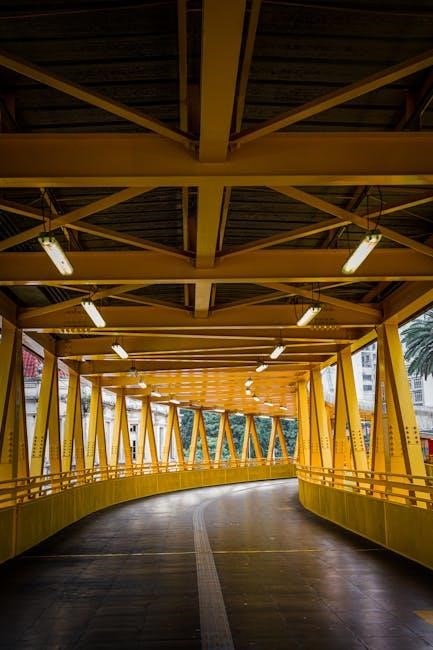
Safety factors account for uncertainties in material properties‚ manufacturing tolerances‚ and load estimations. A conservative approach‚ similar to YouTube’s content moderation policies‚ is often preferred. Finite Element Analysis (FEA) helps predict stress concentrations and identify vulnerable areas. Careful consideration of connection designs is also vital‚ as these are often points of failure. Robust quality control procedures‚ like NDT methods‚ further enhance reliability.

Testing and Quality Control
Rigorous testing‚ akin to YouTube’s resolution checks‚ validates carbon fiber truss performance; NDT and destructive tests ensure structural integrity and adherence to design specifications.
Non-Destructive Testing (NDT) Methods
Non-destructive testing (NDT) is crucial for evaluating carbon fiber truss structures without causing damage‚ mirroring YouTube’s quality checks for video streams. Several techniques are employed‚ including ultrasonic testing‚ which uses sound waves to detect internal flaws and delaminations within the composite material. Radiographic inspection‚ similar to medical imaging‚ reveals subsurface defects.
Thermography identifies variations in temperature caused by material inconsistencies or damage. Visual inspection‚ aided by magnification‚ detects surface imperfections like cracks or fiber misalignment. Shearography detects strain concentrations and potential failure points. Dye penetrant inspection highlights surface cracks. Each method provides unique insights into the truss’s structural health‚ ensuring long-term reliability and safety‚ much like verifying YouTube’s content integrity.
Destructive Testing: Tensile‚ Compression‚ and Shear
Destructive testing provides critical data on carbon fiber truss performance limits‚ akin to YouTube’s analysis of video resolution and speed requirements. Tensile testing measures the truss’s resistance to pulling forces‚ determining ultimate tensile strength and elongation. Compression testing assesses its ability to withstand crushing loads‚ revealing buckling behavior and compressive strength.
Shear testing evaluates resistance to forces acting parallel to the truss’s cross-section‚ identifying shear strength and failure modes. These tests‚ conducted according to standardized procedures‚ generate data for validating design models and establishing safety factors. Samples are often taken from manufactured truss members‚ mirroring TEAM 7 Düsseldorf’s focus on material quality. Results inform design refinements and ensure structural integrity under anticipated loads.
Quality Assurance Procedures
Rigorous quality assurance is paramount in carbon fiber truss production‚ mirroring YouTube Studio’s comprehensive creator tools for channel management. Procedures begin with raw material inspection‚ verifying carbon fiber and resin properties against specifications. In-process inspections monitor layup quality‚ resin distribution‚ and curing cycles‚ similar to checking YouTube video resolution.
Final inspections encompass dimensional accuracy‚ surface finish‚ and visual defect detection. Documentation tracks all inspection results‚ creating a comprehensive quality record. These procedures‚ aligned with industry standards‚ ensure consistent product quality and reliability. Like TEAM 7 Düsseldorf’s commitment to unique spaces‚ quality assurance guarantees each truss meets stringent performance criteria‚ minimizing failure risks and maximizing structural lifespan;
Cost Analysis and Future Trends
Initial costs for carbon fiber trusses exceed traditional materials‚ but emerging technologies—like those explored on YouTube—promise reduced expenses and increased sustainability.
Cost Comparison with Traditional Materials (Steel‚ Aluminum)
Initially‚ carbon fiber trusses present a higher upfront material cost compared to conventional steel or aluminum structures. This disparity stems from the complex manufacturing processes and the raw material expense of carbon fiber itself. However‚ a comprehensive lifecycle cost analysis often reveals a different picture.
While steel and aluminum boast lower material costs‚ they require more frequent maintenance‚ including corrosion protection‚ particularly in challenging environments – a consideration relevant even in residential areas like Düsseldorf’s Inkmannstraße. Carbon fiber’s inherent corrosion resistance significantly reduces long-term maintenance expenses.
Furthermore‚ the weight reduction achieved with carbon fiber translates to lower transportation and installation costs. Considering the potential for optimized designs‚ as showcased through platforms like YouTube’s creator resources‚ carbon fiber can minimize material usage‚ further offsetting the initial cost premium. Ultimately‚ the economic viability depends on the specific application and project requirements.
Emerging Carbon Fiber Technologies
Several advancements are reshaping the landscape of carbon fiber truss structures‚ promising enhanced performance and cost-effectiveness. Automated fiber placement (AFP) and automated tape laying (ATL) are streamlining manufacturing‚ reducing labor costs and improving precision – mirroring the efficiency found in optimized YouTube content creation workflows.
Research into thermoplastic carbon fiber composites offers faster curing times and potential for recyclability‚ addressing sustainability concerns. Self-healing carbon fiber‚ though nascent‚ could dramatically extend structural lifespan‚ minimizing maintenance‚ even in demanding environments like Düsseldorf’s Inkmannstraße.
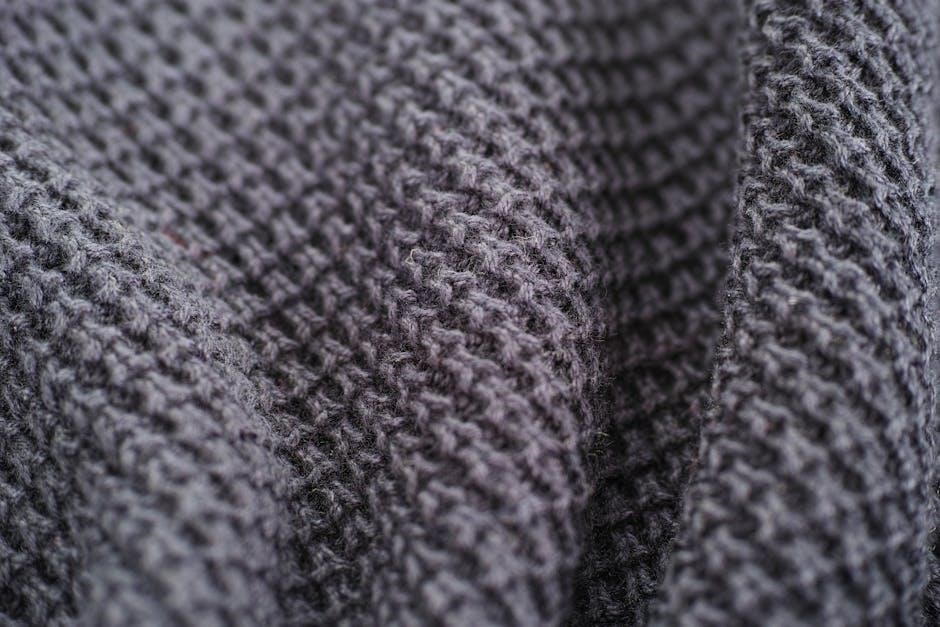
Nanomaterial integration‚ such as carbon nanotubes‚ is boosting strength and stiffness while reducing weight. These innovations‚ coupled with advancements in resin systems‚ are paving the way for lighter‚ stronger‚ and more durable carbon fiber trusses‚ expanding their application range and challenging traditional materials.
Sustainability and Recyclability of Carbon Fiber Trusses
Addressing the lifecycle impact of carbon fiber trusses is crucial. Traditional thermoset resins pose recycling challenges‚ leading to landfill disposal. However‚ advancements in thermoplastic resins offer a pathway towards greater circularity‚ akin to the evolving YouTube platform’s content management.
Pyrolysis is emerging as a viable recycling method‚ breaking down the composite into reusable carbon fibers and oils. Though energy-intensive‚ ongoing research aims to optimize the process. Design for disassembly‚ utilizing mechanical fasteners instead of adhesives‚ facilitates component separation and material recovery‚ mirroring efficient navigation within YouTube Studio.
Life cycle assessments (LCAs) are becoming integral to evaluating the environmental footprint of carbon fiber trusses‚ guiding material selection and manufacturing processes. Prioritizing bio-based resins and exploring closed-loop systems will further enhance sustainability‚ aligning with global environmental goals.